November 21, 2026
Heating and cooling equipment switches on and off as indoor temperatures change. When those cycles become unusually short or frequent, however, the system may not be operating as intended. Repeated starts and stops can disrupt comfort, increase energy consumption, and place additional strain on components. A thermostat issue can resemble an airflow restriction, while a cooling problem can trigger protective shutdowns. Professional troubleshooting helps distinguish these possibilities and determine whether a repair, adjustment, or broader evaluation is needed.
Recognizing When System Cycling Becomes a Problem
A normal heating or cooling cycle begins when the thermostat calls for conditioning and ends when the target temperature is reached or the controls direct the equipment to stop. Cycle length varies with weather, equipment, and household demand. Frequent cycling, sometimes called short cycling, occurs when the system starts and stops repeatedly without completing a normal period of operation. Variable-speed equipment behaves differently from single-stage systems, so timing alone does not establish a fault.
Warning signs include frequent clicking or startup sounds, temperatures that fluctuate despite an unchanged setting, and rooms that never become consistently comfortable. Some systems stop shortly after starting and resume almost immediately. HVAC repair services can help determine whether these patterns reflect normal control behavior or an underlying malfunction. Changes deserve attention, particularly alongside weak airflow or unfamiliar noises. Frequency should be judged alongside run duration, comfort, and recent changes rather than against one universal schedule.
Thermostat and Control Problems
The thermostat is central to heating and cooling operation because it signals when conditioning is needed. If its temperature sensor reads inaccurately, it may tell the equipment to start or stop at inappropriate times. Placement near heat sources or faulty wiring can also affect cycling. These issues may resemble mechanical trouble even when equipment operates properly.
A professional can compare the thermostat's readings with actual room conditions and assess how the controls communicate with the unit. Calibration, wiring repair, or replacement of a defective control may resolve the issue. HVAC repair services also help distinguish control faults from normal thermostat settings or programmed temperature changes. Replacing equipment would not fix a control that sends incorrect signals.
Restricted Airflow and Equipment Protection
Heating and cooling systems need adequate airflow for heat transfer and safe operation. A heavily loaded filter, obstructed duct, or failing blower component can reduce the volume of air moving through equipment. During heating, excessive temperatures may trigger a protective shutdown. During cooling, inadequate airflow can contribute to frozen coils. The result may resemble frequent cycling even though the underlying issue is poor circulation.
Professional evaluation can establish whether the restriction involves filtration, ductwork, or the blower assembly. Thermostat adjustments cannot correct an internal obstruction. HVAC repair services can also identify whether repeated shutdowns have placed stress on connected parts. Restoring reliable airflow helps equipment complete operating cycles and deliver conditioned air more consistently throughout the home.
Refrigerant and Cooling Performance
In air-conditioning systems and heat pumps, refrigerant carries heat through a sealed circuit. A leak or another problem with the refrigeration process may interfere with normal cooling and contribute to abnormal operating patterns. Certain systems may shut down in response to pressure or temperature conditions outside their intended range. Weak cooling, frost, and interruptions may occur together, but none confirms a refrigerant leak.
Technicians use appropriate measurements and diagnostic procedures to identify the source of a cooling problem. If a leak is present, addressing the cause matters more than simply restoring the refrigerant charge. The same symptoms may also arise from restricted airflow or a failing component, making diagnosis essential before repairs are selected. A functioning refrigeration circuit supports stable operation.
Electrical and Mechanical Malfunctions
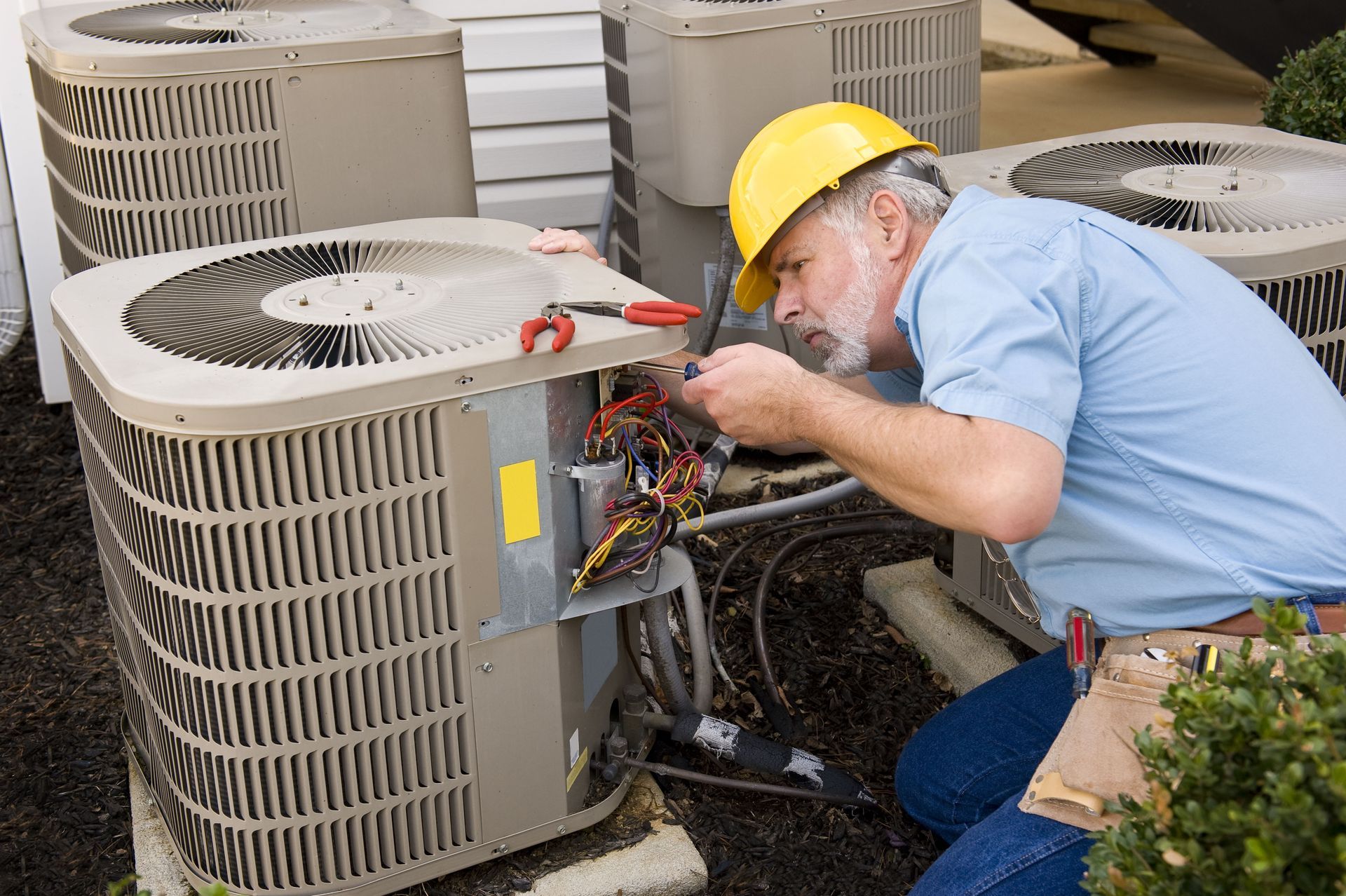
Cycling problems can also originate in the parts that start, power, and move the system. Worn electrical contacts, failing capacitors, control board faults, or damaged connections may interrupt operation. Blower motors and other mechanical components can develop problems that affect circulation or trigger protective controls. Repeated restarts may involve buzzing, clicking, or delays before airflow begins.
Electrical faults can create safety hazards and unreliable operation. A technician can inspect relevant components and test whether they respond correctly during a call for heating or cooling. HVAC repair services focus on identifying the failed part and checking whether related equipment has been affected. Correcting a single defective component can sometimes restore normal cycling, while recurring failures may suggest a wider concern that needs evaluation.
What Professional Diagnosis Reveals
A meaningful assessment considers more than the number of times the equipment starts. Technicians may review the thermostat's demand, observe operating sequences, check airflow, and test electrical or refrigeration components as appropriate. They also consider whether unusual cycling occurs only during certain weather conditions or at particular times of day. These details distinguish intermittent faults from equipment-sizing or household-demand issues. Some systems also record fault codes, which can help a qualified technician narrow the investigation without assuming the first symptom identifies the cause.
According to Jobber, annual spending on heating and cooling repairs and maintenance was projected to surpass $10 billion in 2025, reflecting the substantial role of ongoing equipment service. For an individual homeowner, the value of HVAC repair services lies in receiving a diagnosis tied to the actual symptoms. A clear explanation of the findings helps establish which corrective measures are warranted and which concerns may be unrelated to the cycling problem.
Repairs Should Address the Underlying Cause
The correct repair depends on why the system is stopping. A control problem might call for thermostat or electrical work, while an airflow problem may require attention to a blower, filter, or duct restriction. A refrigeration fault demands a different response. Treating every instance of short cycling as the same defect risks leaving the original issue unresolved, allowing the pattern to return after a temporary improvement.
Following repairs, performance should be assessed under appropriate operating conditions to determine whether the cycling has stabilized. That may involve observing startup and shutdown behavior, verifying airflow, or confirming that system controls respond as intended. HVAC repair services can also clarify whether a persistent issue requires further investigation. The goal is reliable operation, not temporarily hiding a symptom.
Maintenance, System Sizing, and Long-Term Reliability
Regular professional maintenance helps identify developing problems that could eventually disrupt operating cycles. Seasonal visits may involve assessing controls, checking components for wear, and evaluating conditions that affect airflow or heat transfer. Maintenance cannot prevent every failure, but it can reveal deterioration early. Homeowners can describe changes in sound, run time, and temperature when arranging service.
Sometimes frequent cycling relates to system sizing instead of a broken part. An oversized single-stage unit may reach its thermostat target quickly and shut off before temperatures become even throughout the home. Insulation, ductwork, or thermostat placement can complicate matters. Before recommending replacement, professionals should assess these influences and equipment suitability. Proper sizing and compatible controls are important if a new system is ultimately warranted.
Repeated short cycles are a signal to understand how the equipment is operating, not an automatic reason to replace it. Identifying the real cause supports dependable comfort and helps protect the system from avoidable strain. Our team at Air Products Heating & Cooling helps homeowners understand and address heating and cooling problems through professional service. Contact us to discuss frequent cycling and the concerns affecting your system.