November 5, 2026
Heating and cooling systems work throughout the year to keep indoor spaces comfortable. However, daily use can gradually affect their performance. Dust collects on important components, filters become clogged, and small mechanical problems may go unnoticed. These issues can force the equipment to work harder, increasing energy consumption and potentially raising utility bills.
Regular maintenance helps prevent these problems by keeping essential components clean and operating properly. Scheduling a professional HVAC service also allows technicians to identify developing issues before they interfere with heating or cooling. Understanding how routine care affects energy efficiency can help homeowners make informed decisions about their equipment and long-term maintenance needs.
Understanding How HVAC Efficiency Works
An HVAC system's efficiency depends on how effectively it heats or cools a home while using energy. When equipment operates properly, it can maintain comfortable indoor temperatures without unnecessary energy consumption.
Several factors influence performance, including equipment age, installation quality, insulation, and maintenance habits. Even an efficient system can struggle when airflow is restricted or mechanical components are not functioning correctly.
Energy efficiency ratings also help homeowners compare equipment. Air conditioner efficiency is commonly measured using SEER2 ratings, while furnace efficiency is often expressed through Annual Fuel Utilization Efficiency (AFUE).
Although these ratings are useful when choosing equipment, regular maintenance remains important for preserving performance after installation. Proper care helps systems operate closer to their intended capabilities.
Keeping Air Filters Clean and Unrestricted
Air filters collect dust, pollen, and other airborne particles before they circulate through the system. Over time, these particles accumulate and restrict airflow.
When airflow becomes limited, the equipment may need to run longer to reach the desired temperature. Restricted airflow can also contribute to problems such as frozen evaporator coils during cooling season or overheating in certain heating systems.
Homeowners should inspect their filters regularly and follow the manufacturer's replacement recommendations. Depending on the filter type, household conditions, and system usage, replacement intervals can vary considerably.
Homes with pets, frequent dust exposure, or heavy heating and cooling demands may require more frequent changes.
Keeping filters clean is one of the simplest ways to support energy efficiency without making expensive equipment upgrades.
Checking Ductwork for Leaks and Airflow Problems
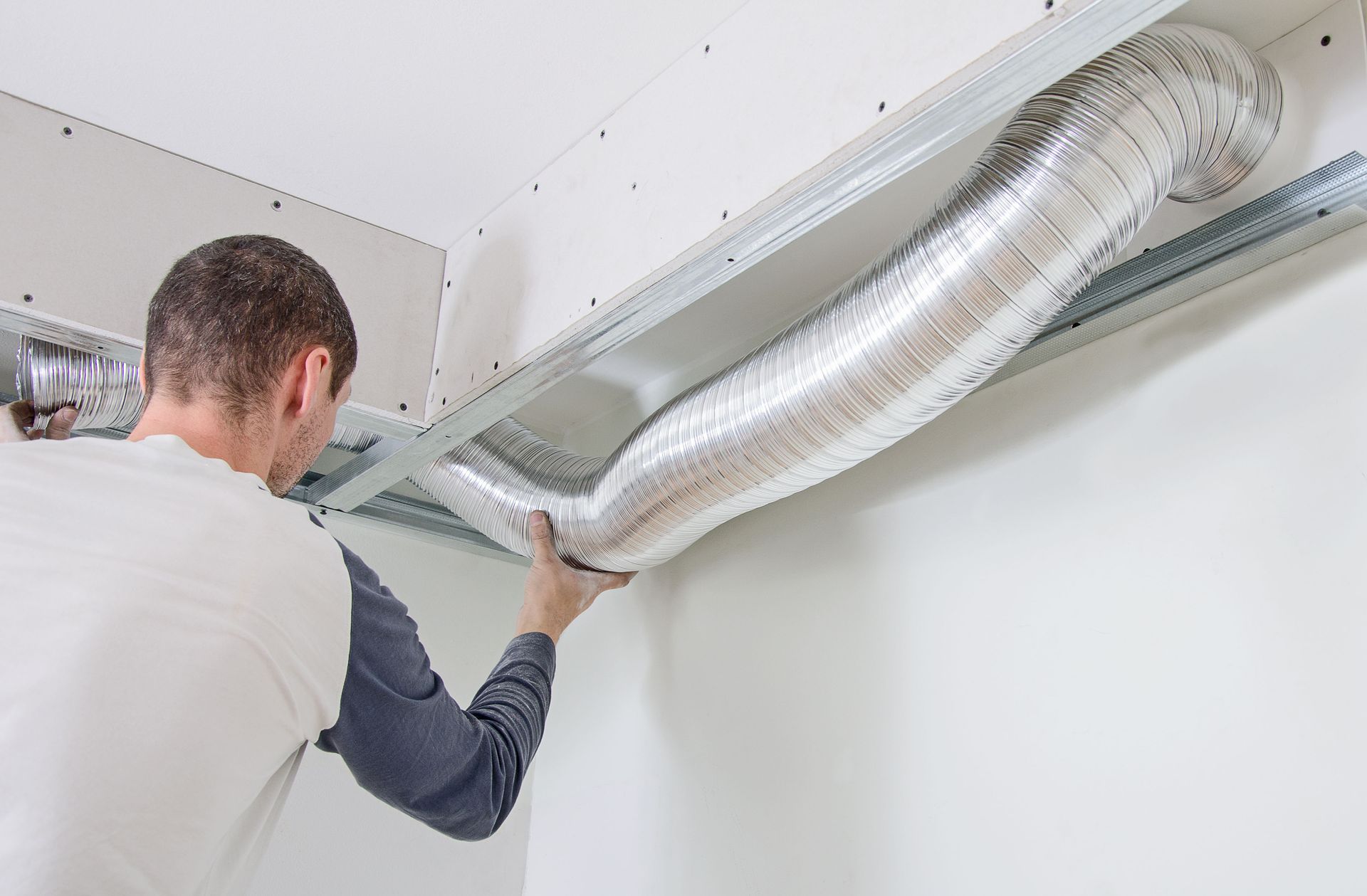
Ductwork carries conditioned air from heating and cooling equipment into different rooms. When ducts develop leaks, some of that air may escape before reaching its intended destination.
According to This Old House, roughly 20–30% of the air circulating through your HVAC system can escape through poorly sealed connections. This loss can make it harder to maintain comfortable temperatures, particularly when ducts pass through attics, crawl spaces, or other unconditioned areas.
A professional HVAC service can help identify damaged connections, disconnected ducts, and other sources of air leakage.
Technicians may recommend sealing accessible joints with appropriate materials or repairing damaged sections. Addressing these problems can improve airflow distribution and reduce wasted heating or cooling.
Well-maintained ductwork also helps rooms reach more consistent temperatures throughout the home.
Cleaning Coils and Essential Components
Air conditioners and heat pumps depend on coils to transfer heat. When dirt builds up on these surfaces, the equipment may have difficulty absorbing or releasing heat efficiently.
Outdoor condenser units are especially vulnerable to collecting leaves, grass clippings, and other debris. Indoor evaporator coils can also accumulate dirt, particularly when filtration or maintenance has been neglected.
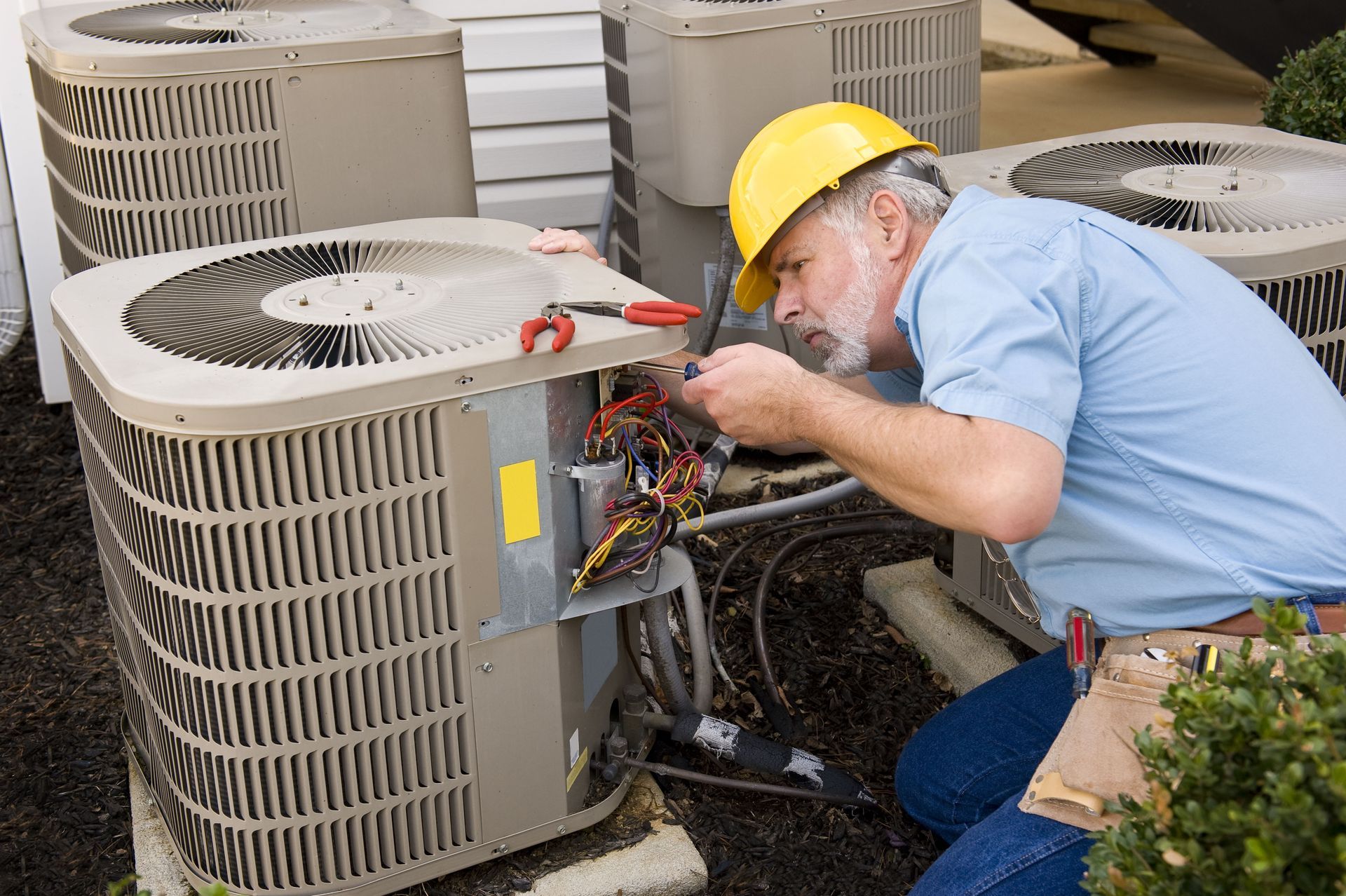
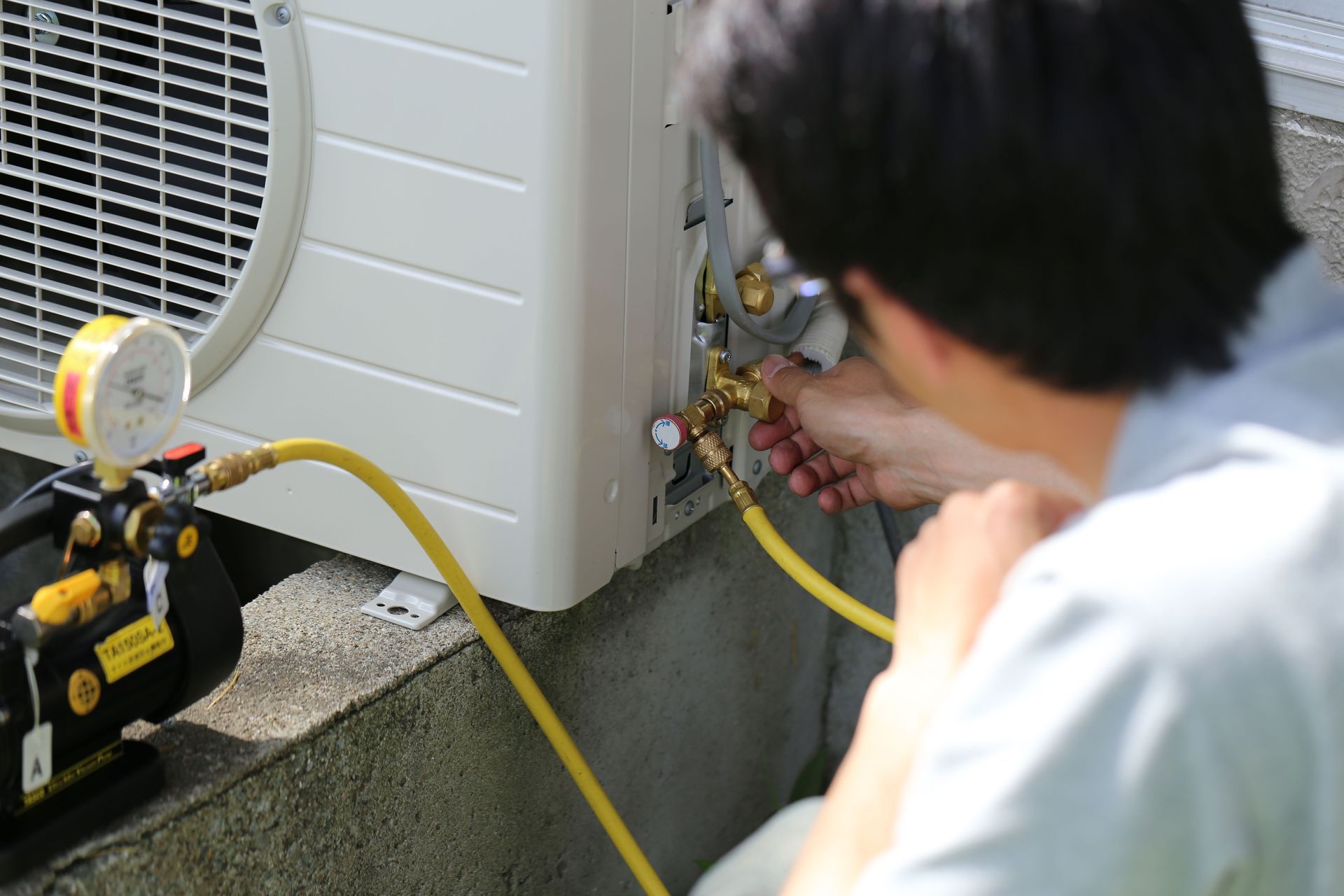
During an HVAC service, technicians can inspect these components and clean them using methods appropriate for the equipment.
Homeowners can help by keeping vegetation and loose debris away from outdoor units. However, delicate coils and electrical components should be handled by trained professionals to avoid accidental damage.
Maintaining clean heat-transfer surfaces supports efficient operation and helps prevent unnecessary strain on the system.
Inspecting Mechanical and Electrical Components
Heating and cooling equipment contains numerous parts that must work together. Motors, fans, electrical connections, and safety controls all contribute to reliable operation.
As equipment ages, certain components may experience wear. Loose electrical connections, damaged belts, or failing motors can interfere with performance and potentially lead to unexpected breakdowns.
Routine inspections allow technicians to identify these problems before they become more serious. Depending on the equipment, maintenance may include checking electrical connections, testing controls, inspecting motors, and lubricating components that require it.
Not every system has parts that need regular lubrication, so maintenance should follow manufacturer specifications.
Addressing mechanical issues early can help prevent avoidable energy waste while supporting safe and dependable equipment operation.
Adjusting Thermostats for Better Efficiency
Thermostat settings influence how frequently heating and cooling equipment operates. Maintaining unnecessarily high indoor temperatures during winter or very low temperatures during summer can increase energy consumption.
Programmable thermostats allow homeowners to establish temperature schedules that reflect their daily routines. For example, settings can be adjusted during periods when a home is unoccupied.
Smart thermostats may offer additional features, including remote access, energy reports, and automatic scheduling.
However, settings should match the equipment. Heat pumps, for example, may respond differently to large temperature setbacks, particularly when auxiliary electric heating is involved.
A technician can help homeowners understand which settings are appropriate for their system.
Combining suitable thermostat programming with regular maintenance can make indoor comfort easier to manage without unnecessary energy use.
Improving Insulation and Indoor Airflow
Heating and cooling efficiency is not determined by equipment alone. The home's insulation, windows, air sealing, and ventilation also affect how much energy is required to maintain comfortable temperatures.
Poor insulation allows heat to escape during winter and enter during summer. As a result, heating and cooling equipment may run longer to compensate.
Homeowners can improve performance by sealing unwanted air leaks, maintaining appropriate insulation, and ensuring supply and return vents remain unobstructed.
Furniture, rugs, and storage items should not block vents because restricted airflow can affect temperature distribution.
An energy assessment can help identify areas where improvements may offer meaningful benefits. Addressing these conditions allows the equipment to maintain comfortable temperatures with less unnecessary operation.
Scheduling Maintenance Throughout the Year
Routine maintenance is most effective when performed before periods of heavy equipment use. Spring is a convenient time to prepare air conditioning systems for warmer weather, while fall provides an opportunity to inspect heating equipment before winter.
During a scheduled HVAC service, technicians can evaluate system operation, inspect critical components, and address developing maintenance concerns.
The appropriate schedule depends on the equipment type, manufacturer recommendations, and operating conditions. Many homeowners arrange professional inspections once or twice annually, particularly when their homes have separate heating and cooling systems.
Between appointments, homeowners can replace filters, monitor thermostat settings, and keep outdoor equipment clear of debris.
Consistent seasonal care can reduce the likelihood of inconvenient breakdowns while supporting dependable performance during extreme temperatures.
Recognizing Problems That Affect Energy Use
An unexpected increase in utility bills may indicate that heating or cooling equipment is operating less efficiently. However, energy costs can also change because of weather, utility rates, or household usage.
Other warning signs include uneven room temperatures, reduced airflow, unusual noises, frequent cycling, and difficulty reaching thermostat settings.
These symptoms should not be ignored, especially when they appear suddenly.
A professional HVAC service can help determine whether the problem involves airflow restrictions, worn components, thermostat controls, or another issue.
Prompt repairs can prevent certain problems from placing additional strain on equipment. They also help homeowners avoid continuing to operate a system that may be using more energy than necessary.
Maintaining Energy Efficiency Over Time
Improving heating and cooling efficiency is an ongoing process rather than a one-time project. Clean filters, properly sealed ducts, accurate controls, and well-maintained components all contribute to reliable operation.
Tracking energy bills and paying attention to changes in indoor comfort can help homeowners recognize when the equipment needs attention.
Professional inspections provide another opportunity to address developing problems and evaluate the system's overall condition.
Homeowners looking to improve their equipment's performance can contact Air Products Heating & Cooling to discuss
HVAC service and routine maintenance needs. With consistent care and timely repairs, heating and cooling systems can provide dependable comfort while helping reduce unnecessary energy consumption.