October 16, 2026
Understanding air conditioning installation is crucial for homeowners looking to maintain comfort, efficiency, and long-term savings. This guide delves into the essential aspects of installing an air conditioning system, offering valuable insights for informed decision-making. Installing an air conditioning system is more than just a corrective action; it is a strategic investment in the home's future comfort and energy efficiency. Given the complexities involved in installation, homeowners must be equipped with the right knowledge to manage the process effectively. From selecting the appropriate system to executing installation and maintenance, making informed decisions is critical.
Understanding the Basics of Air Conditioning Systems
Air conditioning systems come in a variety of types, each suited to different needs and home configurations. The most common types include central air conditioners, window units, ductless mini-split systems, and portable air conditioners. Central air conditioners are typically the most energy-efficient and are ideal for cooling entire homes, while window and portable units are more suited for individual rooms. Ductless mini-splits offer flexibility, allowing for individual zone control without the need for extensive ductwork. Understanding these options is key to choosing the right system for your home's needs.
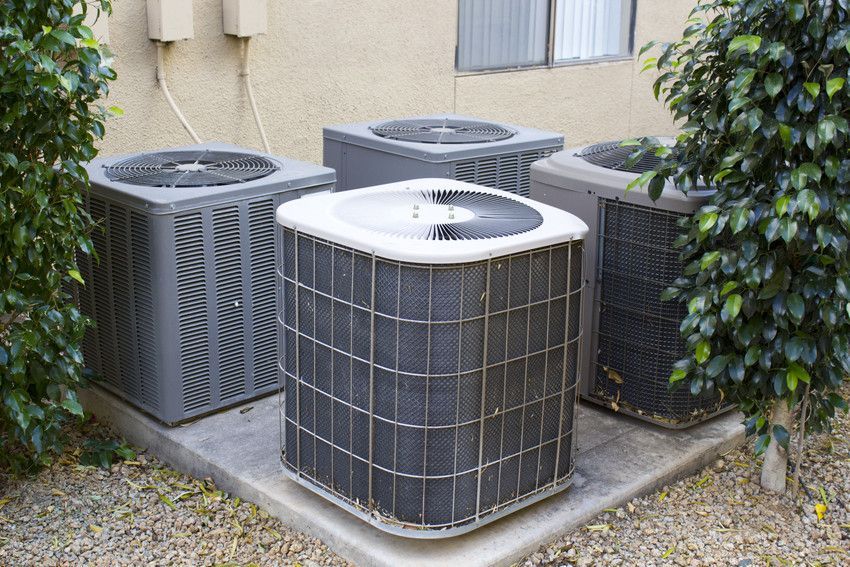
An air conditioning system is comprised of several critical components that work together to regulate indoor temperature. These components generally include a compressor, condenser coil, evaporator coil, and an expansion device. The compressor pumps refrigerant through the system, maintaining pressure between the condenser and evaporator coils. The evaporator coil, located inside the home, absorbs heat and humidity, while the condenser coil releases this heat outside. Understanding these components helps in diagnosing issues and understanding the system's operation.
Air conditioning systems operate based on the principles of thermodynamics and refrigeration cycles. In essence, they extract heat from indoor spaces and expel it outdoors, effectively lowering the indoor temperature. This process involves circulating refrigerant, which absorbs heat from the indoor air and releases it outside the home. By continually cycling this refrigerant between the indoor and outdoor units, the system maintains desired indoor temperature levels. Familiarity with this operational framework enables better monitoring and maintenance of the AC system.
Modern air conditioners come equipped with an array of features designed to enhance convenience and efficiency. Common options include programmable thermostats, variable fan speeds, and air purifiers that can significantly improve indoor air quality. Many systems now offer smart technology integration, allowing users to control their units via smartphone applications from anywhere. Advanced models may also include sensors that adjust cooling based on occupancy or humidity levels, further optimizing performance. Being aware of these features can guide homeowners in selecting an air conditioner that best suits their needs.
Evaluating Your Home's Cooling Needs
The size and layout of a home significantly influence the efficiency and effectiveness of an air conditioning system. Larger homes require systems with greater capacity, whereas smaller spaces may only need window or portable units. Open-concept layouts may benefit from central air systems, while multiple separate rooms could be better served by a ductless mini-split system. Evaluating your home’s design and square footage is crucial in determining the appropriate type and size of air conditioning system needed. Proper assessment ensures optimal cooling performance and prevents unnecessary energy consumption.
The climate of an area dramatically affects the cooling requirements of a home. Regions with hot and humid climates often necessitate more robust and efficient air conditioning solutions to ensure comfort. Additionally, seasonal variations might impact utilities, making the choice of energy-efficient systems more economical in the long run. Understanding local weather patterns helps homeowners plan and adjust their cooling systems for year-round effectiveness. Customizing an air conditioning solution to match climate needs can lead to enhanced performance and longevity.
Energy efficiency is a key consideration for homeowners looking to reduce utility costs and environmental impact. Systems with higher Seasonal Energy Efficiency Ratio (SEER) ratings typically consume less energy, translating to lower bills. Energy Star certifications indicate that a system meets or exceeds government criteria for energy efficiency. By investing in efficient cooling systems, homeowners can enjoy both immediate savings and long-term benefits. Energy efficiency not only reduces consumption but also contributes to the system's sustainability and durability.
Selecting the Right Air Conditioning System
The market offers a wide array of brands and models, each claiming distinct advantages and features. Comparing these options involves evaluating aspects such as efficiency ratings, noise levels, durability, and customer reviews. Reputable brands often provide a balance of performance, cost, and support services, making them a valuable choice. Moreover, some models offer specialized features like Wi-Fi connectivity and enhanced filtration options, catering to specific user needs. Conducting thorough research helps in identifying a system that aligns with your cooling requirements and budget.
Purchasing an air conditioning system is a significant investment, with costs varying widely based on types and features. Establishing a budget helps in narrowing down options and preventing overspending. Additionally, various financing options are available, including retailer programs, manufacturer financing, and energy efficiency loans. These options can alleviate budget constraints and make purchasing a high-quality system more feasible. Understanding your financial options ensures you can invest in an air conditioning system without undue financial burden.
A comprehensive warranty and maintenance plan can safeguard your investment by covering potential repair costs and ensuring system upkeep. Manufacturers often offer warranties that cover specific parts for a set period, with the provision of corrective services as needed. Regular maintenance agreements, usually provided by HVAC contractors, ensure the system continues to operate efficiently over its lifespan. According to HomeGuide, a well-maintained air conditioner usually lasts between 12 and 15 years, underscoring the importance of consistent upkeep. Investing in good warranties and maintenance plans provides peace of mind and helps maintain system performance.
Preparing Your Home for Installation
The location of your air conditioning unit plays a significant role in its performance and efficiency. Ideal placement ensures unobstructed air distribution and minimizes noise pollution for indoor units. Outdoor units need sufficient clearance space around them to dissipate heat effectively. Placing the unit in a shaded area can prevent overheating and enhance performance, particularly in hotter climates. Careful site selection is crucial to addressing both functional and aesthetic considerations in air conditioning installation.
Proper ventilation is fundamental for the effective operation of air conditioning systems, particularly in areas with humid climates. Well-ventilated spaces help air conditioners function efficiently by reducing strain on the system. Improper ventilation can lead to moisture build-up, poor air quality, and reduced cooling performance, necessitating continuous repairs. By ensuring ventilation meets specific standards, homeowners can enhance both system efficiency and indoor air quality. Prioritizing ventilation in the initial stages of installation policies offsets longer-term maintenance-related issues.
An air conditioner's installation encompasses various electrical and structural aspects requiring careful planning and assessment. Ensuring adequate electrical capacity and circuit safety prevents overloads and enhances system reliability. Likewise, some installations might necessitate structural changes, such as reinforcing support brackets or modifying ductwork pathways. Allocating time to address these needs minimizes delays and complications during the installation process. Comprehensive planning of the electrical and structural framework ensures that the air conditioner unit operates within optimal safety parameters.
A successful air conditioning installation involves understanding system types, evaluating home needs, selecting the right unit, and ensuring proper setup and maintenance. By following these guidelines, homeowners can enjoy efficient cooling, cost savings, and enhanced home comfort. Strategic planning and professional consultations form the cornerstone of an effective installation process. Understanding the dynamics of air conditioning systems helps in making smart decisions that enhance both performance and sustainability. As a result, homeowners are better positioned to maintain a comfortable and energy-conscious living environment. For more information about air conditioning installation, contact Air Products Heating & Cooling today.