July 23, 2026
As the colder months settle in, keeping our homes warm and comfortable becomes a top priority. Whether relying on a central furnace, a cozy fireplace, or a portable space heater, heating equipment is an indispensable part of modern living. However, with increased use comes an elevated risk of disaster. Heating equipment remains one of the leading causes of home fires in the United States, often resulting in devastating property damage, injuries, and loss of life.
Many of these incidents are completely preventable. They stem not from the technology itself, but from a general lack of awareness regarding proper operation, maintenance, and high-risk zones within the household. By understanding what triggers these fires—ranging from simple human error to mechanical degradation—homeowners can transition from reactive troubleshooting to proactive prevention. Consulting with licensed heating contractors can help identify these issues early. Here, we will explore the core causes of heating fires, examine the specific risks associated with different systems, and outline the best practices required to keep your household safe and warm all winter long.
Understanding the Causes of Heating Fires
Identifying Common Misuses of Heating Devices
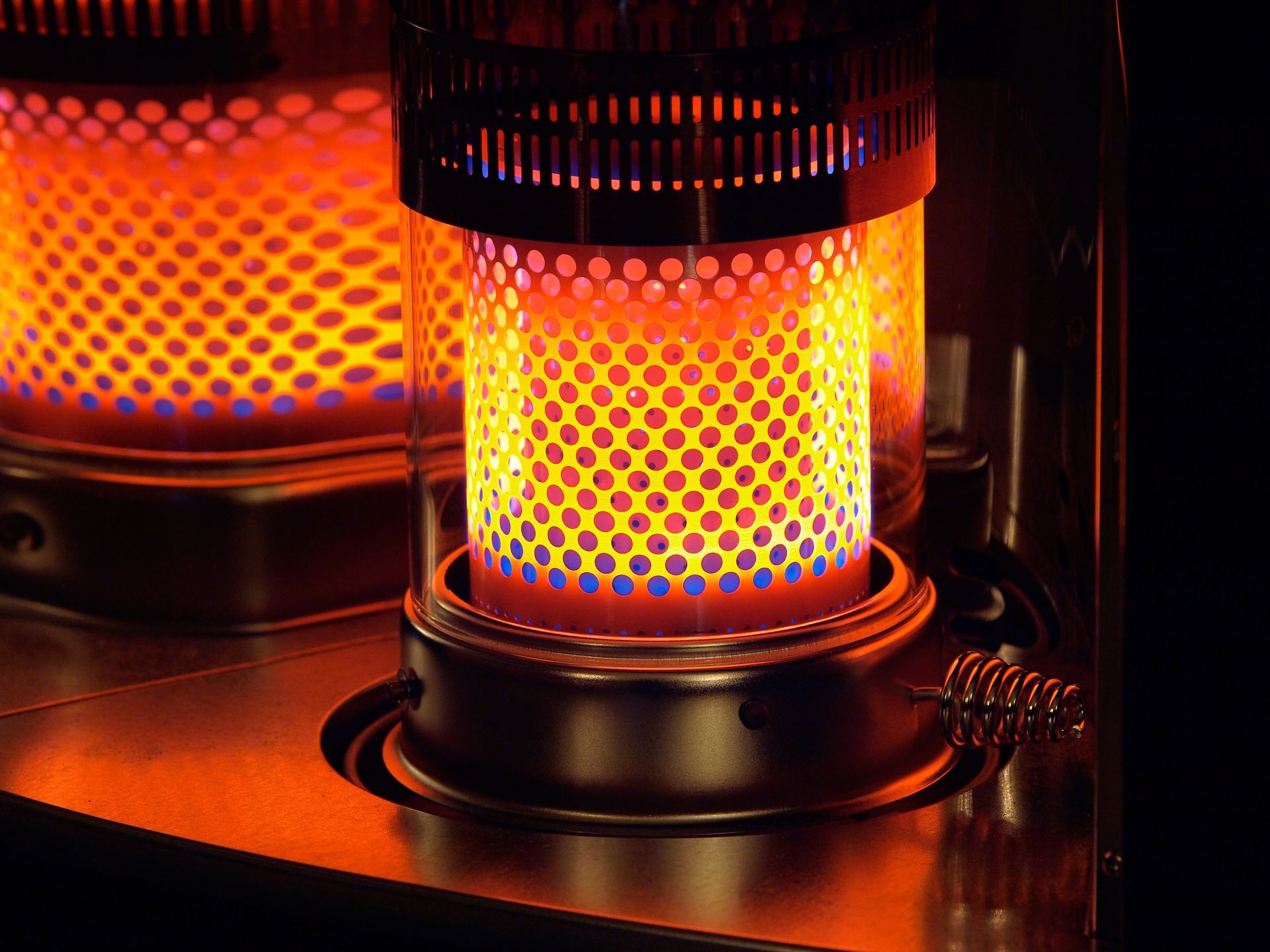
Many heating fires arise from the misuse of equipment. Placing flammable materials too close to heaters is a common mistake. Homeowners might also overlook changing air filters, which can cause systems to overheat. Improper operation of space heaters, such as using them as a primary heat source, further escalates risks. According to NFPA data reported by ANSI in 2025, space heaters and heating stoves were involved in nearly 29% of home heating equipment fires.
Preventing Fires With Consistent Maintenance
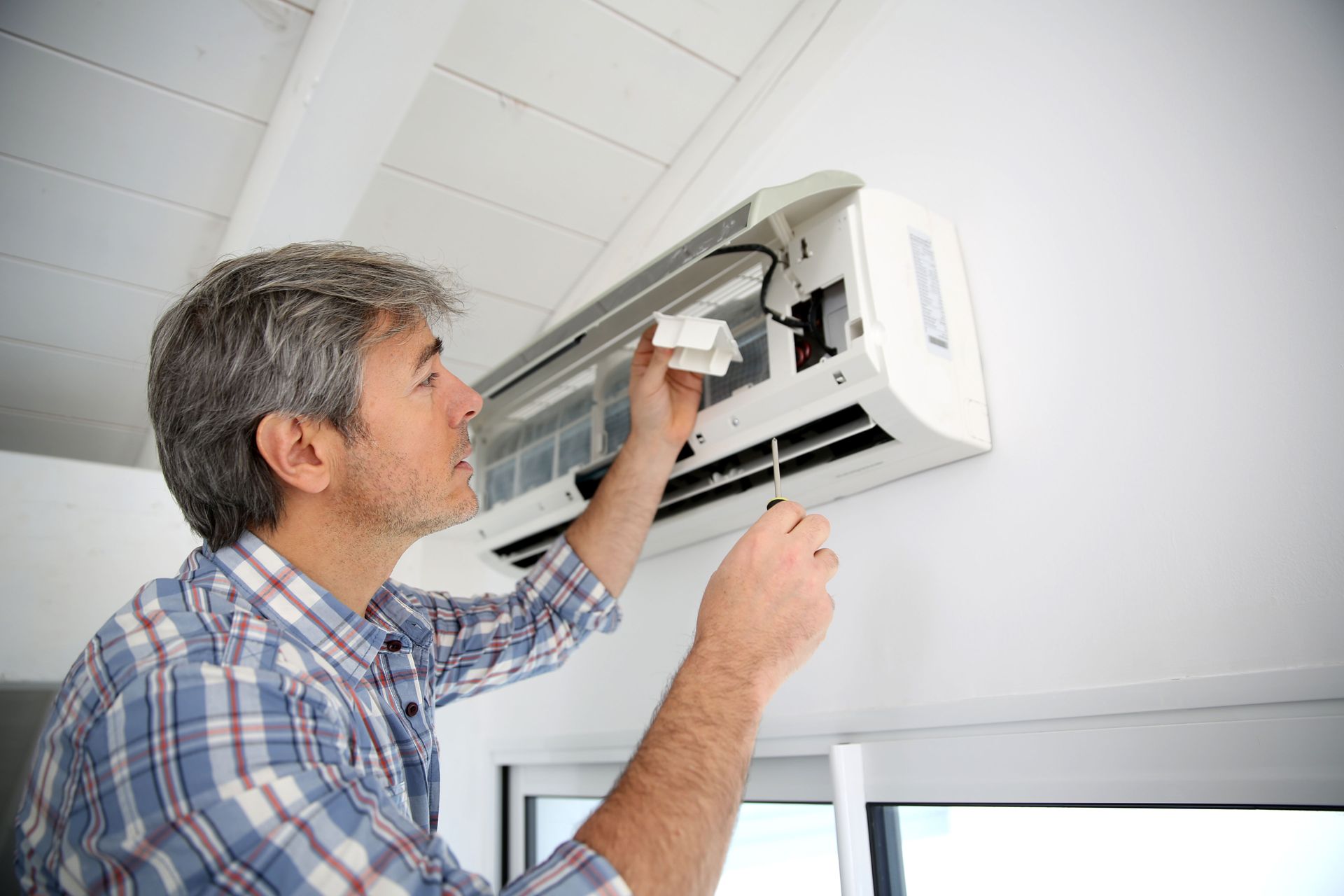
Regular maintenance is perhaps the most critical element in fire prevention. Inspecting heating systems annually can reveal underlying issues before they become significant hazards. Experienced heating contractors point out that clean systems operate more efficiently and safely, reducing the likelihood of fire outbreaks. Scheduling regular cleaning and timely replacement of worn-out parts are steps homeowners should prioritize. An effective maintenance routine not only enhances safety but also prolongs the system's life.
Recognizing High-Risk Areas in the Home
Certain areas in the home are more susceptible to fire hazards related to heating systems. Basements and attics that house furnaces need special attention due to confined spaces. In living areas, proximity rules should be enforced rigorously, especially where space heaters are used. Recognizing and addressing these high-risk zones is paramount in a comprehensive fire prevention strategy. Assessments by specialized heating contractors can highlight overlooked risks in these spaces.
Educating on Fire Safety
Educating homeowners about fire safety is essential for effective prevention. Familiarity with operating manuals and safety instructions is foundational yet often neglected. Fire safety education can be expanded to include understanding fire extinguishers and alarms. Workshops and community seminars can deepen homeowners' knowledge and commitment to fire safety. Expertise shared by local fire departments can complement the technical insights provided by professional heating contractors in creating robust preventive strategies.
Types of Heating Systems and Their Risks
Central Heating Systems
Central heating systems, though efficient, come with their own set of risks. Gas leaks in older systems can be both silent and dangerous, leading to fires or explosions. Duct obstructions and malfunctioning thermostats, if unnoticed, can precipitate hazardous situations. Regular professional checks ensure that such eventualities are mitigated, enhancing safety. The integration of modern safety features can further bolster protection against potential risks.
Space Heaters and Portables
Space heaters, while convenient, require cautious use. They should never be left unattended, especially when children or pets are in the vicinity. Placement is critical, with safe distances meticulously calculated to avoid contact with flammable materials. The fact that these devices contributed to nearly 29% of home heating fires underscores the importance of adhering to manufacturer guidelines. Newer models equipped with automatic shutoff features provide enhanced safety over older models.
Wood Stoves and Fireplaces
Wood stoves and fireplaces add ambiance and warmth but pose unique risks. Creosote buildup in chimneys can ignite and cause devastating fires if not periodically removed. Proper ventilation is necessary to prevent smoke inhalation and carbon monoxide poisoning. Fireplaces require spark guards and attention to ensure that stray embers do not fall on flammable carpets or furniture. Regular inspections and cleanings are fundamental to safely enjoying these heating sources.
Oil and Gas Heating Systems
Oil and gas systems are prevalent in many homes due to their efficiency. However, they require meticulous handling and maintenance due to the combustible nature of the fuels. A malfunctioning oil burner or an unchecked gas leak can rapidly escalate into a kitchen disaster. Safety measures include installing carbon monoxide detectors and ensuring regular inspections. Homeowners must always seek help from certified heating contractors for installation and repairs.
The Importance of Regular Maintenance
Benefitting From Annual Inspections
Annual inspections offer peace of mind and the assurance of safe and efficient functioning. Professionals can identify hidden issues early, thus preventing fire hazards. Routine checks are crucial for maintaining warranties and adhering to insurance policies. Regular inspections signal to homeowners the potential need for system upgrades, offering extended operational life. Ultimately, these inspections form the backbone of a safe and reliable heating system.
Cleaning and Replacement of Parts
Dirt and debris accumulation in heating systems can lead to operational inefficiencies and fire risks. Cleaning eliminates these hazards and improves system performance. Furthermore, replacing worn parts like belts, sensors, and burners ensures continued safe operation. Professional heating contractors are best equipped to handle these replacements, ensuring compatibility and precise installation. Both cleaning and part replacement form essential components of a comprehensive maintenance schedule.
Maintaining Saves Money in the Long Run
Regular maintenance, while an upfront cost, saves money in the long term. Well-maintained systems operate efficiently, reducing energy consumption and bills. Moreover, small repairs and checkups are far less costly than full-system replacements or fire damage repairs. Maintenance also acts as a preventive measure against breakdowns during peak usage periods. The long-term savings in energy and replacement costs often outweigh maintenance expenses.
Best Practices for Safe Heating
Proper Installation Techniques
Proper installation is crucial for the safe operation of heating systems. Ensuring systems are fitted by professionals prevents common installation errors that could lead to fires. Contractors follow specific guidelines, which include proper clearances and securing connections. High-quality installations promote operational safety while maximizing efficiency. This foundational step often determines a system's long-term safety and performance capabilities.
Manufacturer Guidelines and Usage Instructions
Adhering to manufacturer guidelines is integral to system safety and warranty adherence. Manuals outline correct operating procedures and any system-specific precautions. Failing to follow these instructions can result in operational inefficiencies and increased fire risks. Supplementary training provided by your choice of heating contractors can further bolster homeowner understanding of these complex instructions. Knowing how to safely operate systems lends itself to improved safety practices.
Safe Clearance and Placement of Heating Devices
Safe placement of heating equipment minimizes the risk of accidental fires. Devices should be strategically positioned away from flammable materials like curtains and upholstery. Space heaters, particularly, require strict adherence to clearance rules as outlined by manufacturers. Installing smoke detectors in strategic home areas provides additional security. Contractors and safety inspections can assure homeowners that equipment is optimally and safely placed.
Handling Emergencies and Response
Preparing for heating-related emergencies empowers homeowners to act decisively and safely. Familiarizing oneself with emergency services and response labels regarding heating systems aids immediate decision-making. Implementing drills and having a fire response plan are crucial components in dealing with emergencies effectively. Ensuring ease of access to emergency tools like fire extinguishers enhances preparedness. Communication with contractors and local fire departments provides insights into effective emergency management strategies.
Preventing heating-related fires is a continuous responsibility that balances behavioral habits with mechanical upkeep. From the heavy-duty demands of central gas furnaces to the rustic charm of wood-burning fireplaces, every heating system carries unique operational risks that require targeted vigilance and an understanding of early wear and tear. Trusted
heating contractors agree that combining personal accountability with professional expertise and a solid emergency plan is the best way to confidently keep the winter chill at bay without compromising the safety of your home. To schedule a professional inspection and keep your heating system maintained while keeping your home safe, reach out to Air Products Heating & Cooling and schedule service today. To schedule a professional inspection and keep your heating system maintained while keeping your home safe, reach out to Air Products Heating & Cooling and schedule service today.