June 8, 2026
Homeowners frequently encounter the critical decision of whether to repair or replace their HVAC systems. Given the integral role HVAC systems play in maintaining comfort and air quality, understanding this choice is crucial. Professional HVAC repair services can help homeowners evaluate whether a repair will restore reliable performance or whether replacement is the smarter long-term investment. With increased awareness of energy consumption and environmental implications, making the right call is vital for long-term savings and sustainable living. We'll explore how professionals guide homeowners through this decision process, focusing on cost-effectiveness, energy efficiency, and environmental impact. This article serves as a comprehensive guide for homeowners navigating the repair vs. replace dilemma.
The Basics of HVAC Systems
Understanding the Components
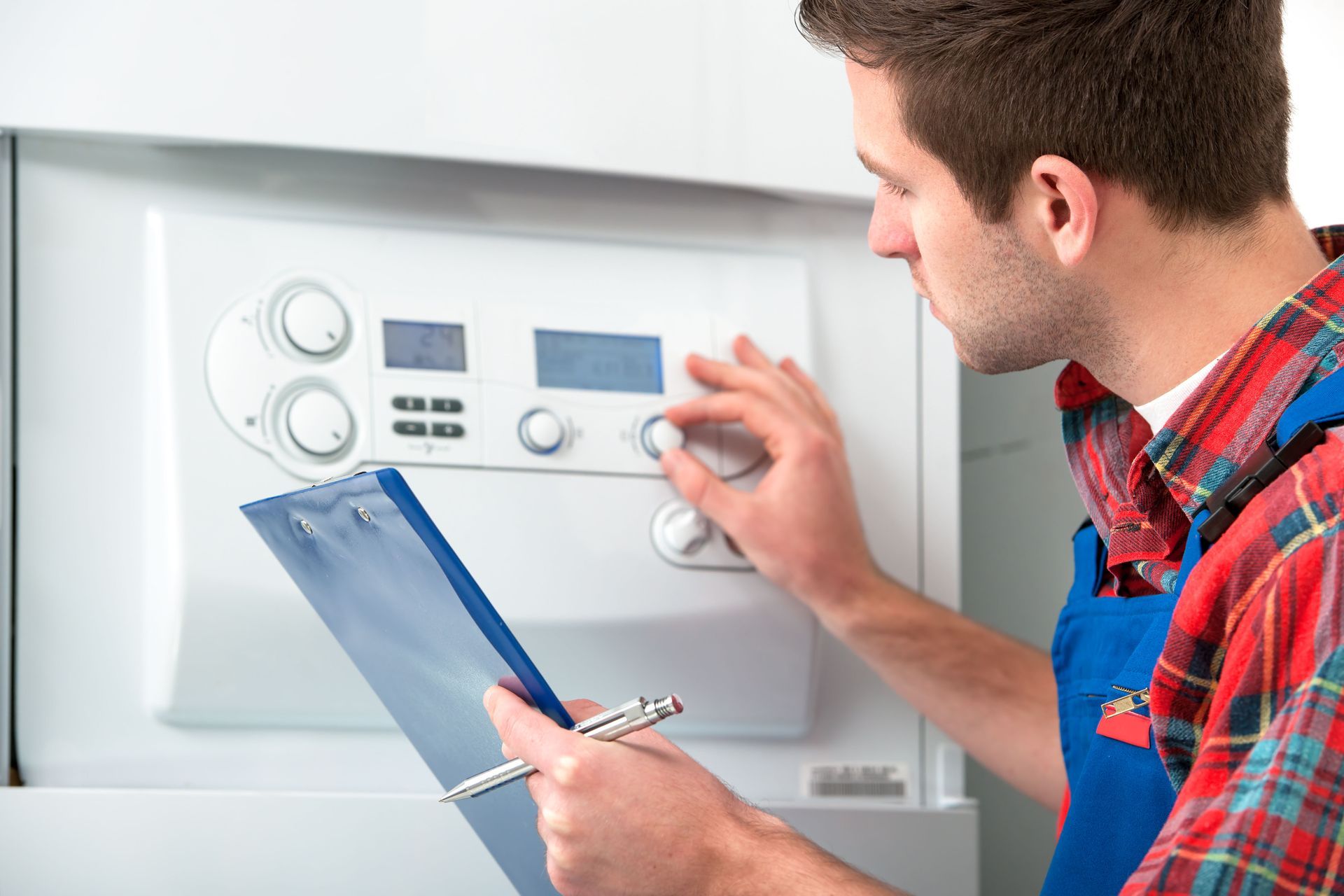
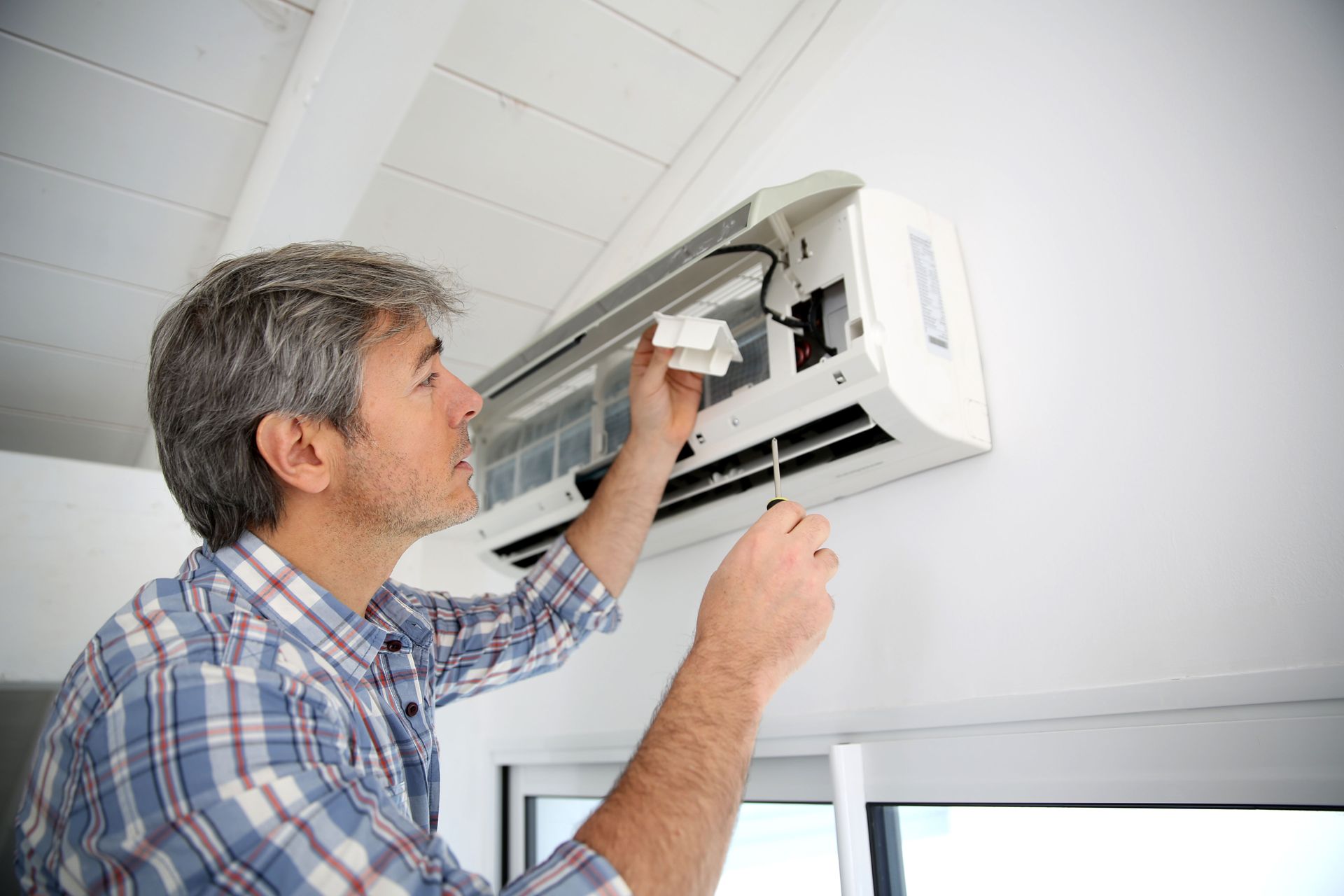
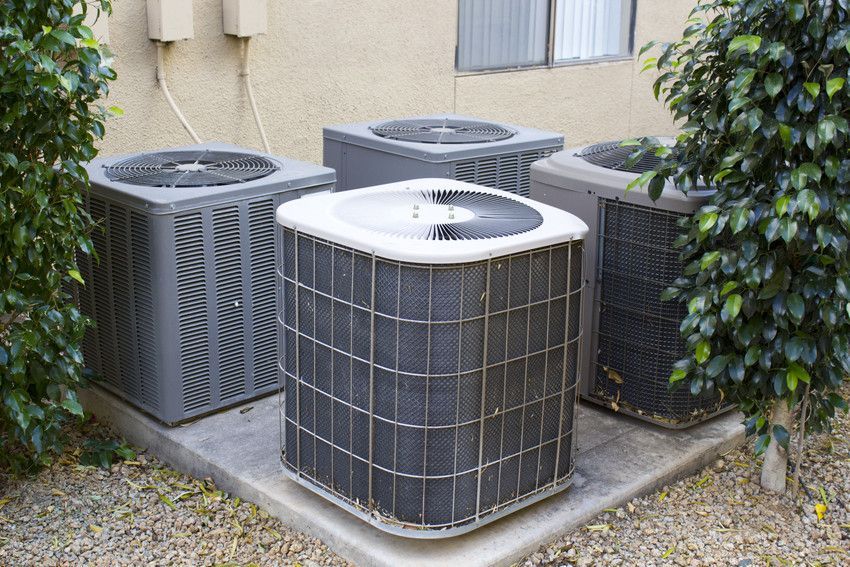
An HVAC system comprises several key components, each playing a vital role in climate control within a building. At the heart of these systems lies the furnace, responsible for heating, while the air conditioner focuses on cooling. Ventilation ensures optimal air circulation, distributing heated or cooled air throughout the space. Additional elements like thermostats and filters aid in monitoring and maintaining air quality. For homeowners, understanding these components allows for better decision-making regarding maintenance, upgrades, and HVAC repair services.
Specialized components like heat pumps and air handlers enhance the versatility and efficiency of HVAC systems. A heat pump can act as both a heater and cooler, offering year-round climate control. Air handlers manage the flow of air efficiently, ensuring consistent indoor conditions. Regular inspections and maintenance of these components ensure their optimal performance and prolonged lifespan. Understanding the operation of these elements empowers homeowners to address potential issues proactively.
Despite technological advancements, common factors like dust accumulation and wear and tear can impact component performance. Thus, periodic maintenance becomes essential for identifying issues before they escalate. Seasonal checks of filters, ducts, and coils help maintain efficiency and prevent unexpected breakdowns. Moreover, consulting with HVAC professionals can offer insights into component health and necessary repairs. A comprehensive understanding of system components aids in informed decision-making when evaluating repair or replacement needs.
Typical Lifespan of HVAC Systems
Typically, an HVAC system's components have varied lifespans, influencing maintenance and replacement timelines. Furnaces tend to last about 15-20 years, while air conditioners can serve for approximately 10-15 years with proper maintenance. Heat pumps have a similar lifespan to air conditioners if regularly serviced. Ventilation systems, although enduring, necessitate frequent checks to ensure longevity. Awareness of these timelines allows homeowners to plan financially and strategically for future repairs, replacements, or HVAC repair services.
Over time, efficiency naturally diminishes, necessitating closer attention as systems age. A decline in performance, noted in increased energy bills or inconsistent temperatures, often signals approaching end-of-life for HVAC components. Regular maintenance can extend the lifespan, mitigating the risk of sudden failures. Implementing upgrades in line with technological advancements enhances system efficiency and prolongs operational timelines. Ultimately, understanding component lifespans aids in anticipating future HVAC needs.
Signs Your HVAC System Needs Attention
Identifying early signs of HVAC issues can prevent extensive damage and costly repairs. Unusual noises such as grinding or squealing often indicate mechanical issues that may require professional HVAC repair services. Increasing energy bills and inconsistent temperature settings may signal decreased system efficiency. Poor airflow, frequently attributed to clogged filters or ductwork issues, can further deteriorate system performance. Addressing these signs promptly preserves system integrity and ensures optimal functionality.
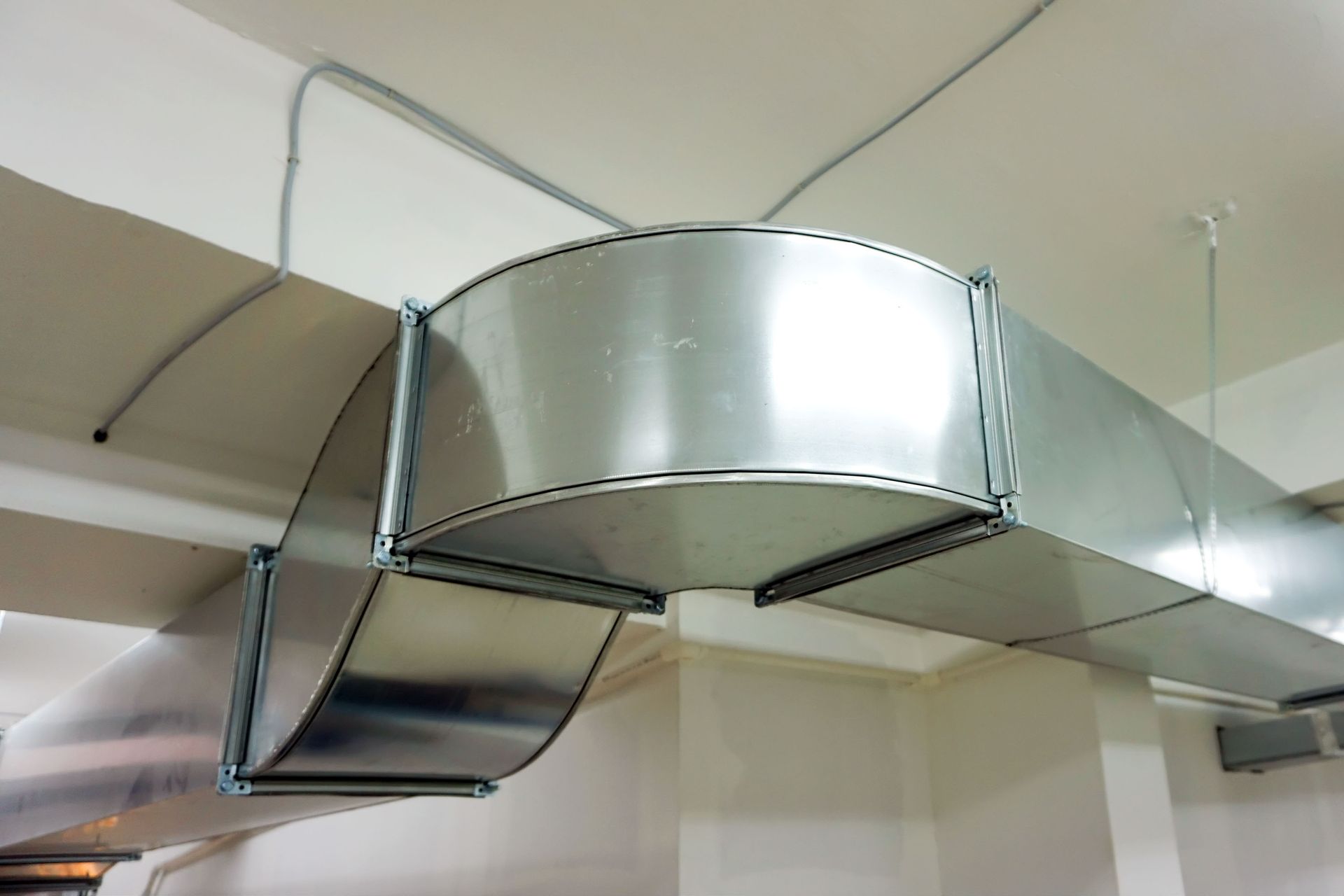
Simply repairing visible wear and tear might not always address underlying issues in an aging system. As systems base their performance on air circulation, poorly sealed connections can lead to 20% to 30% of the air escaping, according to This Old House, causing inefficiencies and stress on components. Homeowners are also advised to investigate regularly if breaker trips occur, which may indicate widespread system problems. Short cycling and increased humidity can signify impaired system performance. Addressing these issues holistically can save on significant repairs and ensure a harmonious indoor environment.
Common HVAC Problems
HVAC systems may experience a range of common issues that impact their performance and longevity. A thermostat malfunction, often noticed as irregular temperature settings, can disrupt system efficiency. Clogged or dirty filters reduce airflow, elevating the strain on components, which can lead to overheating or system shutdowns. Refrigerant leaks reduce the air conditioning system's cooling capabilities, potentially leading to increased energy consumption. Early identification through HVAC repair services is crucial for maintaining optimal HVAC performance.
The prevalence of these issues emphasizes the importance of scheduled maintenance and regular component checks. Without regular maintenance, small problems can escalate, affecting multiple system components. Collaborating with HVAC professionals for regular inspections aids in early detection and resolution of these common problems. Implementing preventive measures, such as regular filter changes and system checks, can enhance the system's lifespan. Overall, understanding common HVAC problems equips homeowners to take proactive steps toward maintaining systems in peak condition.
Importance of Regular Maintenance
Regular maintenance is essential to ensuring the longevity and efficiency of HVAC systems. Scheduled check-ups allow for the early detection of issues that may otherwise lead to costly repairs. Clean and well-maintained components, such as filters, coils, and fans, support optimal performance and energy efficiency. This proactive approach extends the life of HVAC systems and reduces the risk of sudden breakdowns, which often occur in peak seasons. Ultimately, routine maintenance and HVAC repair services foster system reliability, providing peace of mind to homeowners.
Indicators for Repair
Age of Your System
The age of an HVAC system plays a crucial role in deciding whether to repair or replace it. Systems tend to require more frequent repairs as they age, primarily due to wear and tear of components. As efficiency steadily declines, owners may notice increased energy consumption and uneven temperatures. Older systems often lack compatibility with modern technologies, further impacting performance. A thorough assessment based on the system's age and current condition helps determine whether investing in HVAC repair services is justifiable.
When considering repairs for aging systems, it's important to recognize when consistent failures occur. An HVAC system that frequently fails or requires significant repairs may signal that maintenance should focus on replacement. The age factor, combined with other operational signs, helps pinpoint when repairs are no longer cost-effective. Evaluating repair strategies also involves assessing the ability of older systems to integrate new technology and meet efficiency standards. Addressing these issues comprehensively supports informed decision-making about maintaining or replacing HVAC systems.
Cost Analysis: Repair vs. Replacement
Conducting a thorough cost analysis helps decide when repair is more financially viable than replacement. Immediate repair costs, compared with historical maintenance expenses, provide insight into future financial commitments. When repair expenses consistently accumulate near or exceed half the cost of a new system, a replacement may be more economical. Understanding the cost difference over extended periods assists homeowners in planning their budget strategically. Professionals providing HVAC repair services can guide homeowners in calculating these costs, aiding in selecting the most financially sound option.
Accurately predicting operational costs over the system's anticipated remaining lifespan necessitates understanding potential future repairs. Repairing versus replacing requires weighing short-term savings against long-term expenses, especially as system efficiency naturally diminishes with age. Evaluating potential repair timelines and costs informs better budget allocation and minimizes unexpected financial stress. Considering rebates or incentives that accompany energy-efficient model installations can impact this financial analysis positively. Comprehensive cost assessments reveal tangible financial benefits of both repair and replacement strategies.
Deciding whether to repair or replace an HVAC system requires a careful review of age, performance, cost, efficiency, and comfort needs. While some problems can be resolved through maintenance or targeted repairs, other issues may point toward the need for a new system. Professional HVAC repair services give homeowners the insight needed to compare immediate repair costs with long-term savings, helping them make a confident and practical decision for their home. To schedule your HVAC repair services, contact the team at Air Products Heating & Cooling.