June 12, 2026
Summer brings long days and high temperatures, making your home a sanctuary from the intense heat outside. To maintain this indoor comfort, your climate control system must operate at peak performance when the weather peaks. Investing in professional maintenance before the heat wave hits prevents sudden breakdowns and high energy bills.
Getting a Standard Air Conditioner Tune-Up
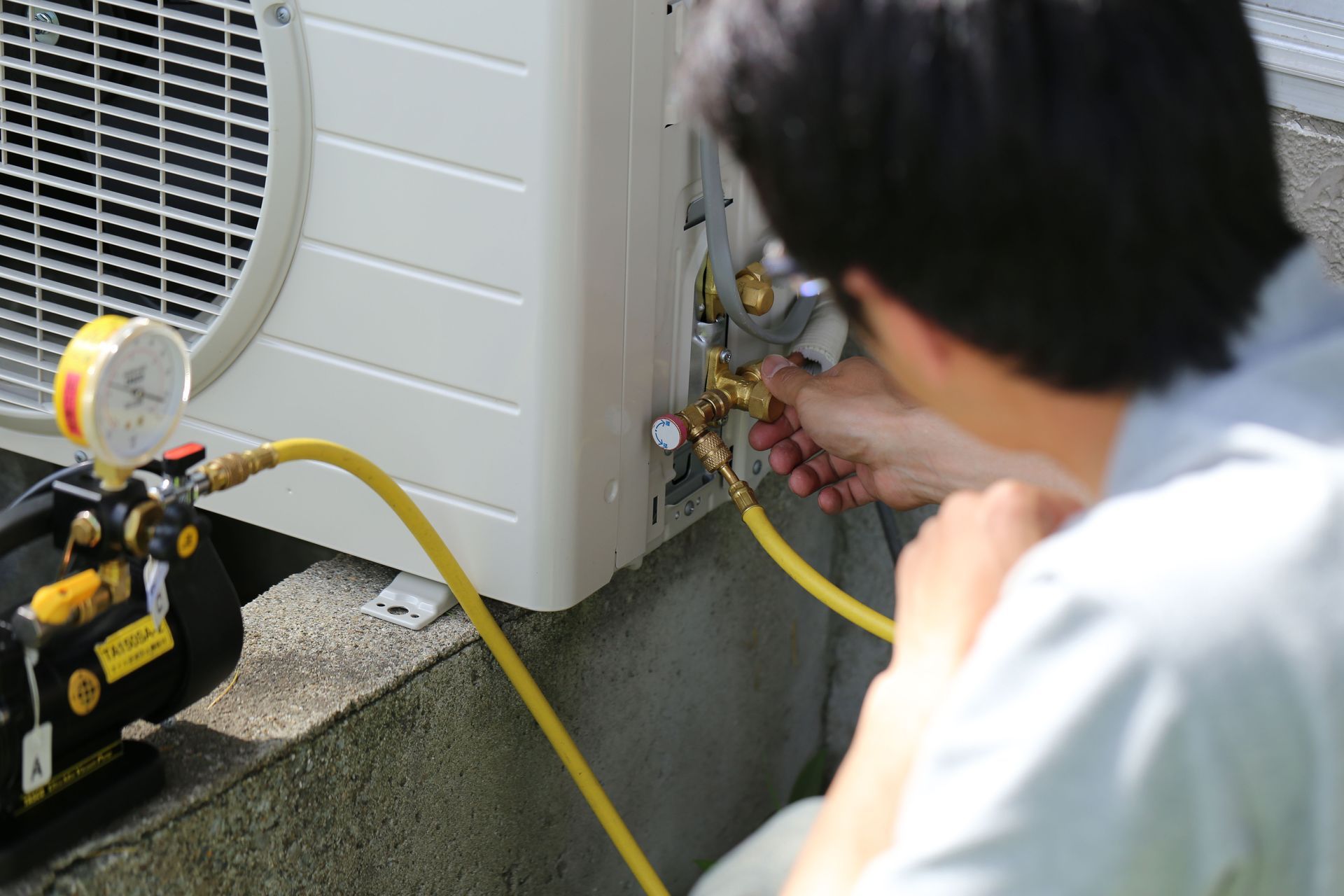
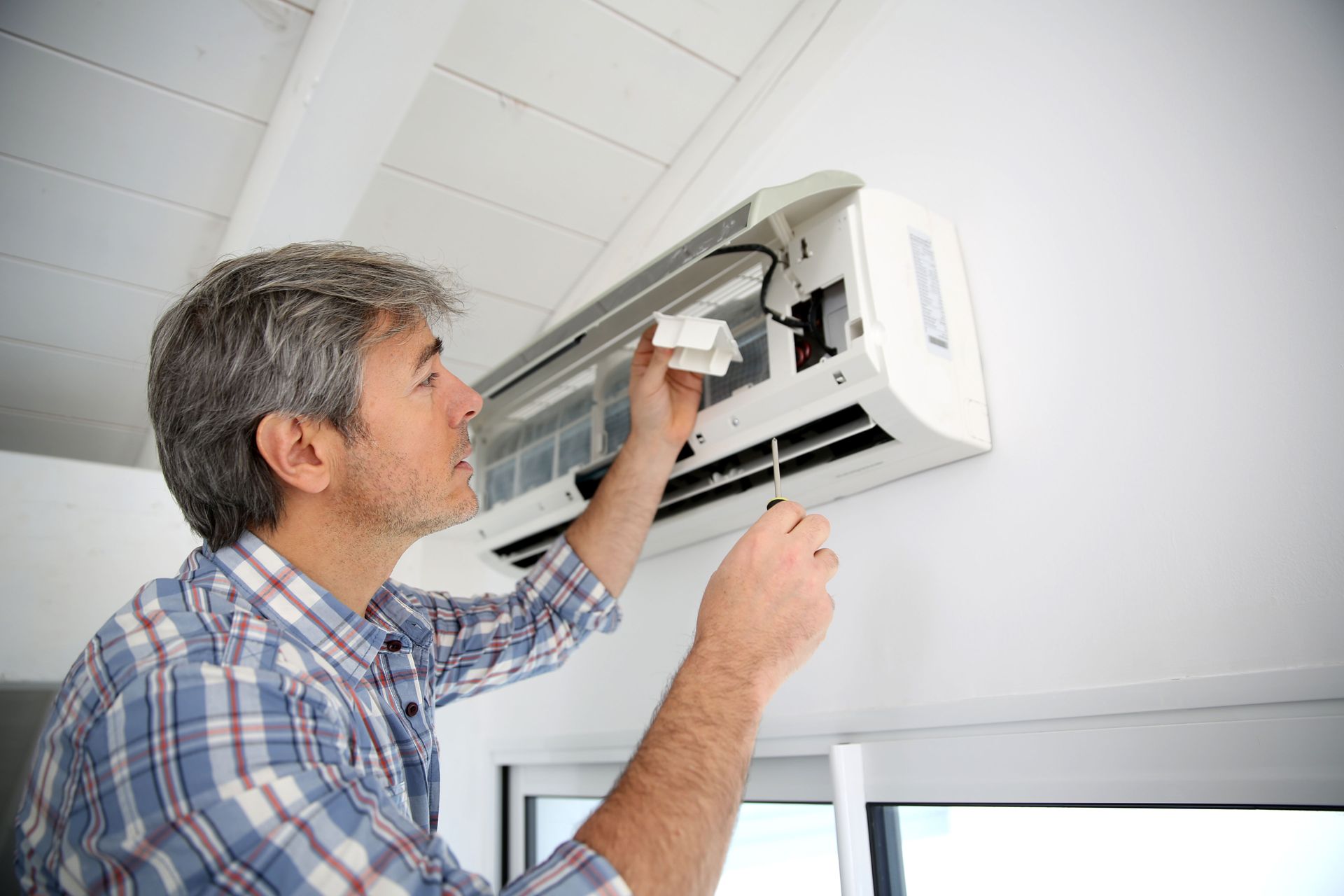
Professional technicians have the right tools and training for looking deep inside your cooling unit at parts you cannot easily see. During a routine maintenance visit, a pro will clean the dirty coils, check your thermostat settings, and make sure your system has the right amount of cooling fluid. These small adjustments keep the whole setup running smoothly, which stops the main motor from wearing out too fast during hot weather.
Skipping these regular checkups often causes small performance drops that are hard to notice until the system completely quits working. A pro can spot little issues, like a cracked belt or a loose wire, way before they turn into major mechanical emergencies. This proactive approach keeps your home cool and comfortable during the stickiest weeks of July and August. Discovering a worn component in May is much cheaper than paying premium emergency diagnostic fees on a holiday weekend.
Booking this service early in the spring makes sure your air conditioner is completely ready for the heavy lifting ahead. Regular checkups also help your equipment last much longer, meaning you can delay spending money on a brand-new system. Homeowners who stay ahead of these maintenance visits enjoy steady indoor temperatures and much lower monthly power bills. Most major manufacturers' warranties actually require annual proof of professional HVAC repair services to remain valid if a major part fails.
Sealing Up Leaky Air Ducts
Leaky air ducts waste a massive amount of energy by letting cold air escape into places like your attic or crawlspace. When that cooled air leaks out before it ever reaches your living room, your system has to run extra hours just to cool the house. Sealing up those gaps keeps that refreshing air flowing exactly where your family needs it most. Standard fiberglass insulation around ductwork does not stop air leaks, meaning the physical metal seams themselves must be completely sealed.
Professional duct sealing fixes the seams and joints that naturally wiggle loose over the years of pushing air through your home. Technicians use special heavy-duty sealing paste or strong foil tape to close up these hidden gaps for good. According to ENERGY STAR, you can improve heating and cooling efficiency up to 20% by sealing and insulating HVAC ducts. This service keeps conditioned air moving directly into your living spaces instead of escaping into empty wall cavities.
Tightly sealed ducts also block dust, insulation fibers, and outdoor allergens from slipping into the air you breathe. When your ductwork is sealed tight, the air inside your home stays much cleaner and healthier for everyone. Investing in professional HVAC repair services boosts the power of your cooling system while keeping bad air from spreading through your rooms. Unsealed return ducts often suck in toxic car exhaust fumes if your system transitions through an attached garage space.
Tightening All Electrical Connections
The electrical parts powering your air conditioner go through a lot of stress when the system runs nonstop on hot days. Loose wires can cause your cooling to shut off randomly, make sensors read temperatures incorrectly, or break important parts completely. Technicians look at all the wiring, tighten up loose screws, and check the power flow during a basic service visit. Corroded contacts can cause voltage drops that force the system to work harder while generating destructive localized heat.
Broken or failing electrical parts can force your system to pull way more electricity than it should, causing your power bill to spike. Technicians measure the power draw on the fan motors to make sure everything matches the original factory settings. Replacing weak parts early keeps your system from going completely dead during a major summer heat wave. Checking the starting capacitor is vital because this specific part provides the high-voltage electrical jolt needed to start the compressor motor.
Clean, tight electrical connections protect the sensitive digital control boards inside your unit from getting fried by unexpected power issues. This close attention to detail prevents electrical shorts that could otherwise ruin very expensive internal components. Utilizing routine HVAC repair services keeps the main control systems talking to each other perfectly for accurate temperature control. Technicians use special diagnostic meters to check for resistance levels that signal a wire is beginning to fail internally.
Clearing Out Blocked Drain Lines
Air conditioners pull an amazing amount of water out of your indoor air as they cool down your home. This moisture drips into a small pan and flows outside through a narrow plastic drainage pipe. Over time, gross buildup like algae, mold, and dirt can clog this pipe, causing water to back up into your house. A high-efficiency system can easily produce up to twenty gallons of water every single day during humid summer weather.
A clogged drain line can cause terrible water damage to your walls, ceilings, and floors before you even realize there is a problem. Many modern cooling systems have safety switches that shut the whole unit down if water backs up, leaving you stuck in a hot house. Technicians flush these pipes out with special clearing liquids and test the safety switches to make sure they work. Scheduling comprehensive HVAC repair services during this time prevents new biological slime from forming inside the drain line later.
Keeping this drainage line clear also stops stagnant water from creating musty, moldy smells that blow through your vents. Clean lines keep the humidity-removing process working perfectly, which makes the indoor air feel much cooler and less sticky. Regular drain maintenance protects your property from water issues while keeping your summer days completely comfortable. Standing water in a dark drain pan creates the perfect breeding ground for airborne bacteria and unwanted household pests.
Tuning Up Your Thermostat Settings
The thermostat is the main control center for your entire cooling system, telling the machinery exactly when to start and stop running. A thermostat that is out of whack misreads the actual temperature in the room, making your system run way too long or shut off too early. Technicians reset these sensors so they match the real temperature of your living spaces. Internal dust buildup or mounting a thermostat on an exterior wall can drastically distort its temperature readings.
Accurate calibration stops a frustrating problem called short-cycling, which is when your air conditioner turns on and off rapidly over and over. Short-cycling puts a ton of pressure on the motor and uses a giant amount of electricity every time the system restarts. Securing local HVAC repair services to calibrate the unit evens out the cooling cycles, saving your equipment from wear and tear while keeping your indoor air steady. Long, steady cooling cycles are far better for lowering indoor humidity levels than frequent, brief bursts of air.
Upgrading to a modern programmable or smart thermostat can help your cooling system work even better with your daily schedule. Technicians can install these new models and make sure the wiring communicates perfectly with your existing air conditioner. Selecting expert HVAC repair services guarantees accurate temperature control that keeps your power usage down while keeping your home at the exact comfort level you want.
Investing in these professional maintenance steps keeps your home perfectly comfortable and your energy bills under control all summer long. Certified technicians have the skills needed to keep complicated cooling machinery running at top speed. Contact Air Products Heating & Cooling now for a cool, relaxing, and worry-free summer for your whole family.