June 10, 2026
Maintaining a functional and efficient HVAC system is essential for comfort and cost savings in any building. Regular repair services not only ensure the system operates efficiently but also extend its lifespan, maximizing the investment. This article explores how HVAC repair services can significantly extend your system's operational life.
Understanding the Basics of HVAC Systems
Identifying Key HVAC System Components
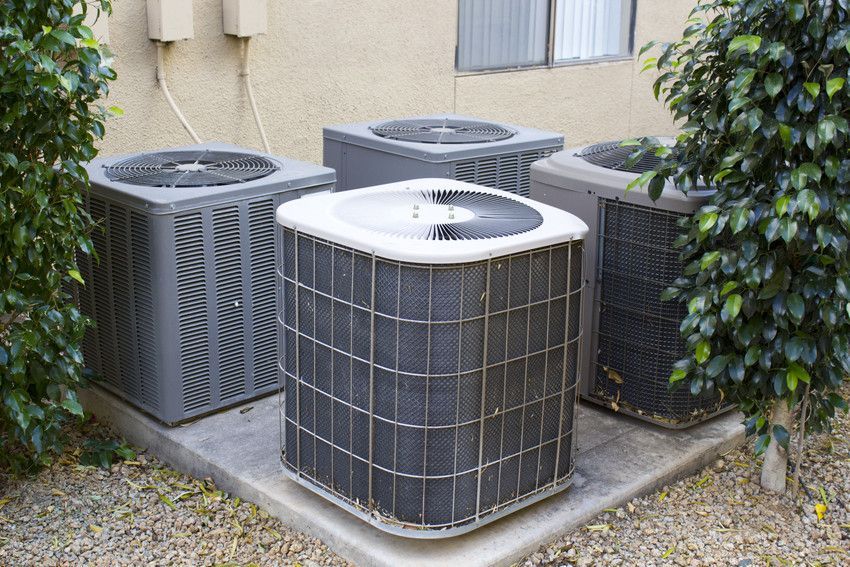
An HVAC system comprises several essential components that work together to heat, ventilate, and cool a building. These components typically include a furnace, an air conditioner, ductwork, and a thermostat. Each component has a unique function; for instance, the furnace heats air which is distributed via ducts, while the air conditioner cools it. The thermostat acts as a control center for the system, regulating the temperature based on user settings. Proper functioning and maintenance of each component are imperative to ensure the system works efficiently as a single unit.
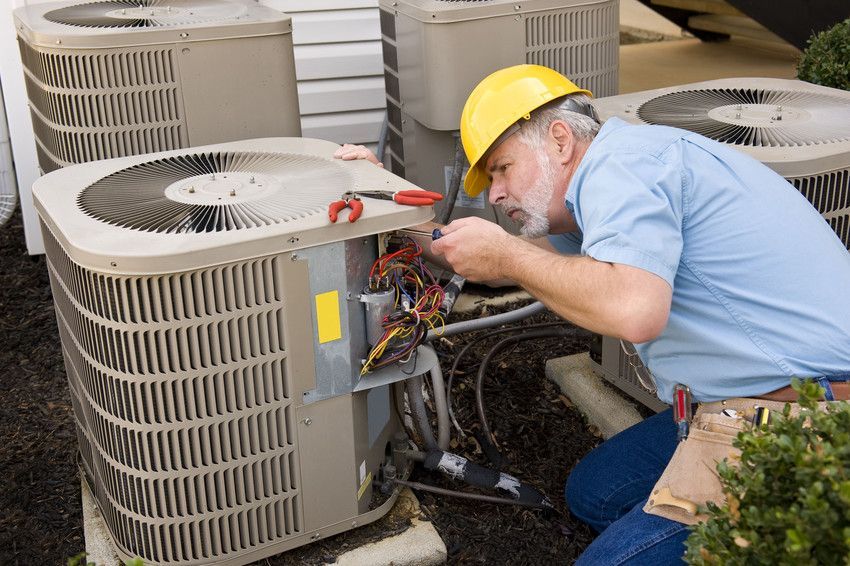
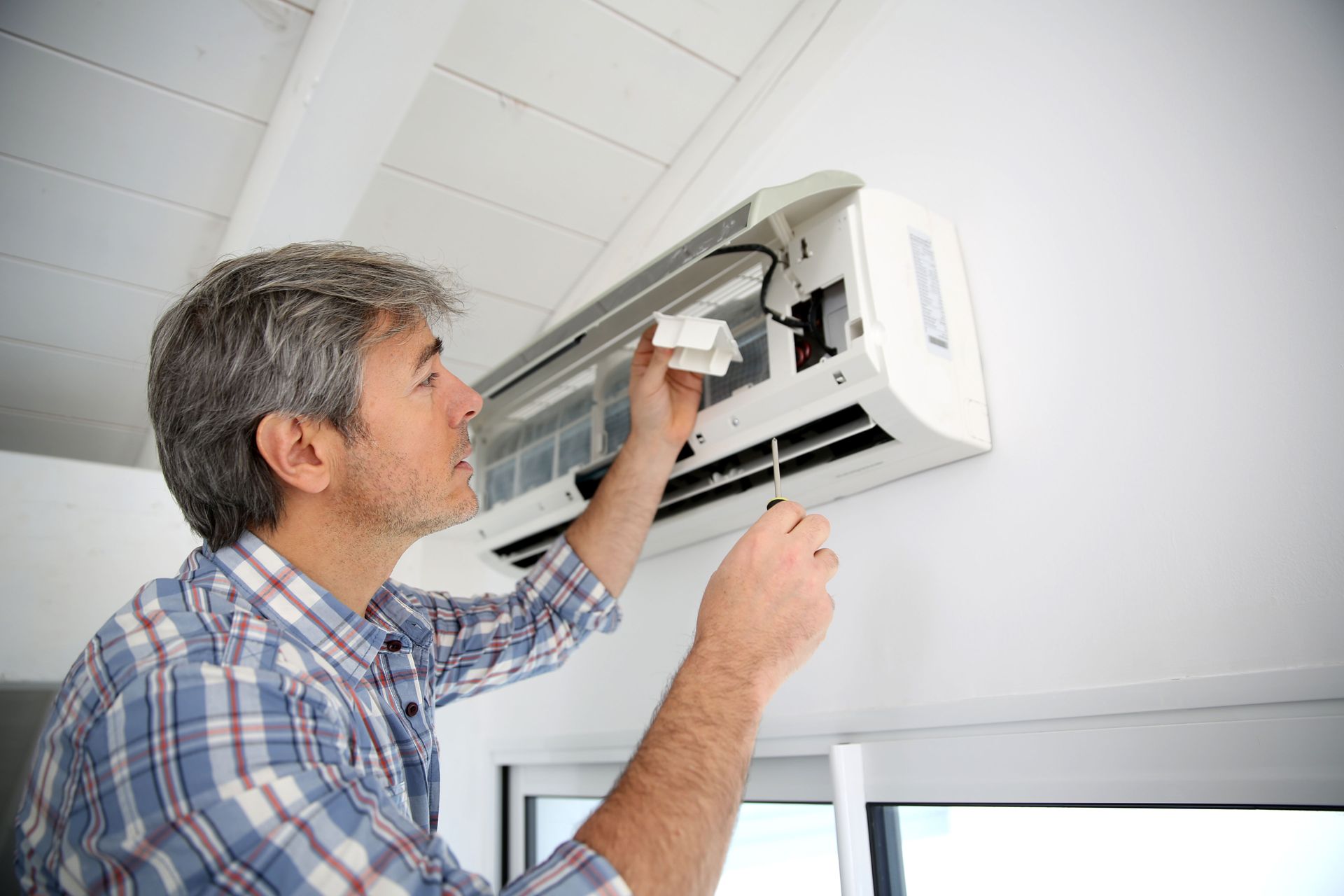
Regular inspections of HVAC components can help identify potential issues before they become costly problems. For example, worn-out or malfunctioning parts in the furnace or air conditioner can lead to inefficient operation and increased energy consumption. Addressing these issues through professional repair services helps maintain optimal system performance. Proactive inspections contribute to a comprehensive understanding of the system's current condition. This understanding allows for proper maintenance scheduling, ensuring longevity and efficiency.
Common problems like leaks in ductwork, issues with the blower fan, or thermostat malfunctions are usually identifiable during routine inspections. Repairing these issues promptly can prevent extensive damage to the entire HVAC system. According to ENERGY STAR, sealing and insulating HVAC ducts can improve system efficiency by as much as 20%, helping systems operate more effectively. This improvement not only extends equipment lifespan but also enhances comfort and reduces utility bills. Understanding the fundamentals of your system will help you know when to schedule HVAC repair services when problems arise.
Recognizing Common HVAC Issues
Many HVAC problems manifest in recognizable symptoms that, if ignored, can lead to larger issues. For instance, unusual noises such as grinding or banging may indicate a component like the fan or motor is malfunctioning. Inconsistent temperature regulation or increased energy bills often point to issues like duct leaks or a malfunctioning thermostat. Even minor issues like clogged filters can cause significant decreases in efficiency and indoor air quality over time. Recognizing these symptoms early makes for easier HVAC repair services to handle repairs and avoids more costly ones down the line.
Strange odors emanating from HVAC units can signal problems like microbial growth or burned-out components. Such issues often require professional assessment to resolve safely and effectively. In some cases, frequent system cycling or inconsistent heating/cooling can result from incorrect thermostat settings or faulty components needing inspection. It is crucial for homeowners to observe and report such symptoms to professional technicians. By doing so, they preserve system functionality and take proactive steps to prevent lasting damage.
Poor airflow is another common issue that significantly impacts HVAC efficiency. Obstructions in ducts, dirty filters, or faulty fans are often culprits of reduced airflow. Each of these issues can lead to inadequate temperature control and increased energy usage as the system works harder to distribute air. Routine maintenance and inspections help identify and eliminate these problems, enhancing overall system performance. Staying vigilant and addressing issues early helps extend the lifespan of each HVAC component.
Interpreting System Efficiency
System efficiency in HVAC units is often measured by parameters such as the Seasonal Energy Efficiency Ratio (SEER) and the Annual Fuel Utilization Efficiency (AFUE). These ratings provide insights into how effectively a system utilizes energy during operation. Systems with higher SEER or AFUE ratings generally consume less energy, making them more cost-effective to operate. HVAC repair services help systems maintain their rated efficiency by addressing factors such as dirty coils or leaky ducts that can hinder performance. Understanding efficiency metrics allows users to make informed decisions when maintaining or upgrading their systems.
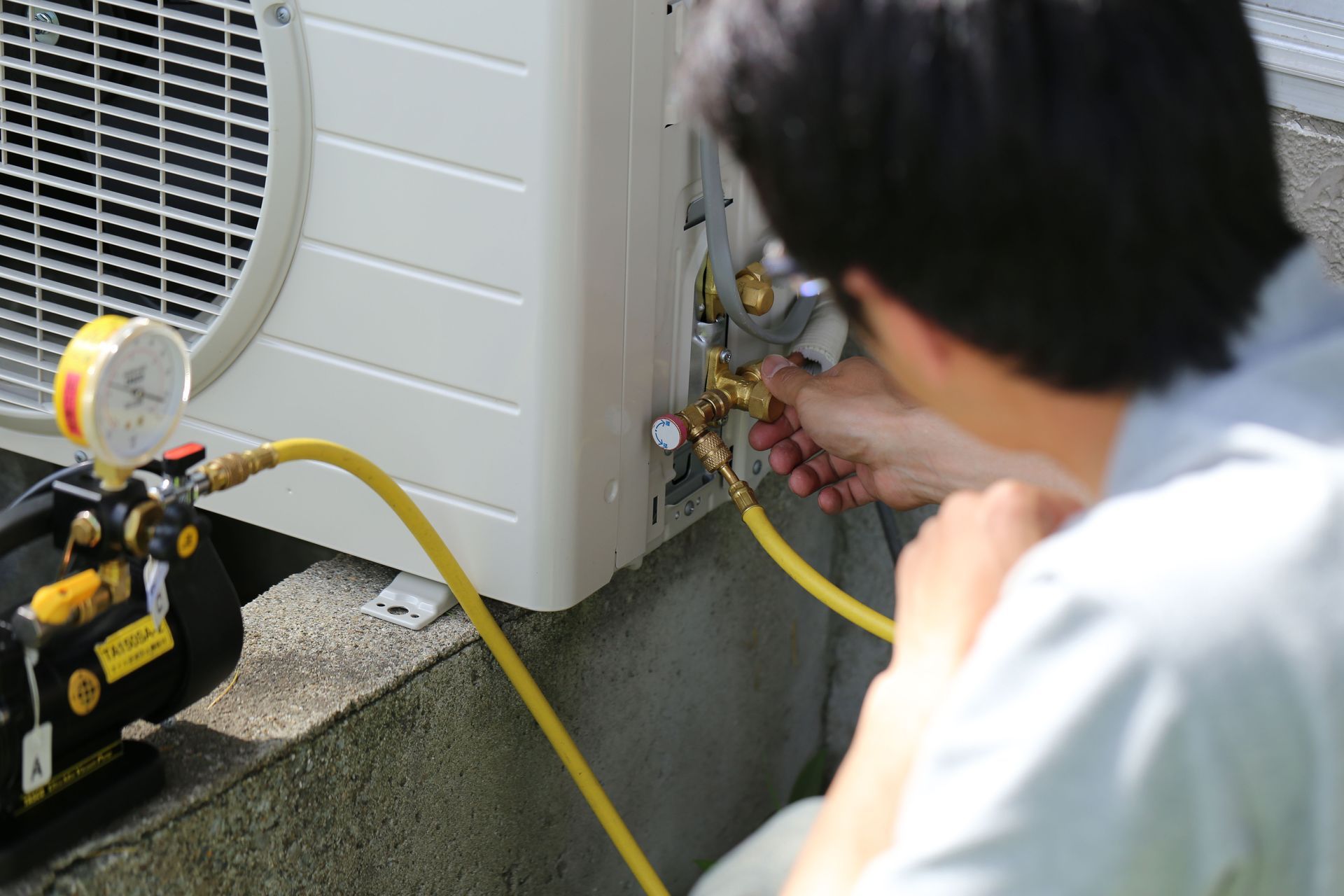
Over time, even the best-maintained systems can experience a decline in efficiency due to wear and tear. Refrigerant levels may need topping up, or components like belts and motors may require adjustment. Enhancements such as sealing ducts and improving insulation can significantly improve efficiency. Professional repair services evaluate and implement improvements that enhance performance and reduce operational costs.
Exploring the Benefits of Regular HVAC Maintenance
Improving Energy Efficiency
Regular HVAC maintenance is key to improving a system's energy efficiency. Cleaning coils, checking connections, and replacing filters help ensure that the system operates smoothly and uses energy effectively. Efficient systems perform their functions without unnecessary strain, thereby significantly reducing energy consumption and bills. Regular maintenance schedules help prevent the build-up of dust or grime that impairs function and forces the system to work harder. An efficient system reduces environmental impact and preserves finite resources, offering economic and ecological benefits.
System optimizations, such as ensuring proper refrigerant levels and securing door seals, are among maintenance tasks that contribute to energy efficiency. These straightforward checks and balances allow the system to maintain desired indoor temperatures efficiently. Efficiency improvement measures can further boost HVAC efficiency and reduce operational costs.
Beyond cost benefits, improving an HVAC system's energy efficiency supports global sustainability initiatives by reducing carbon footprints. As such, users need to consider efficiency improvements not just in economic terms but also in ethical terms. Committing to regular maintenance preserves the environment by minimizing wasteful practices and unnecessary emissions. Partnering with professional HVAC repair services equips users with strategies to keep their systems operating efficiently. This proactive approach ensures both immediate energy savings and longer-term ecological benefits.
Enhancing Air Quality
Regular HVAC maintenance significantly enhances indoor air quality by ensuring air filters are clean and operational. Clean filters remove pollutants, allergens, and other particles, helping occupants breathe easier and reducing the risk of respiratory ailments. Moreover, proper ventilation through routine duct inspections and cleanings enhances airflow and expels stale air. Enhancing air quality is a crucial aspect of maintenance, particularly for homes or facilities where occupants have sensitivities or health conditions. A well-maintained HVAC system supports healthy living environments and contributes to overall well-being.
In addition to filter checks, maintaining clean coiling units and fans prevents mold and mildew from forming and entering the indoor space. These elements are crucial for maintaining air quality for both homes and businesses. Regular professional cleanings and inspections help identify and remediate potential sources of contamination. By ensuring that all components function correctly, maintenance avoids the circulation of harmful particles. Having professionals oversee the process can ensure that hidden contaminants are addressed comprehensively.
HVAC repair services identify air quality issues that might otherwise go unnoticed. For example, carbon monoxide emissions from poorly functioning heating components could pose a serious risk without proper inspection. Regular attention to system maintenance prevents these hazards and maintains a safe environment. By investing in regular maintenance, users ensure their systems circulate clean, fresh air at all times. This practice benefits not only the occupants' health but also the long-term effectiveness of the system itself.
HVAC repair services play an important role in extending the life of heating and cooling systems. By keeping components clean, identifying problems early, improving efficiency, and protecting indoor air quality, regular service helps prevent unnecessary wear and costly breakdowns. Whether a system is new or nearing the end of its expected lifespan, professional care can help it operate more reliably and efficiently. With support from a trusted provider like Air Products Heating and Cooling, property owners can feel more confident that their HVAC systems are prepared to operate efficiently through every season.