June 9, 2026
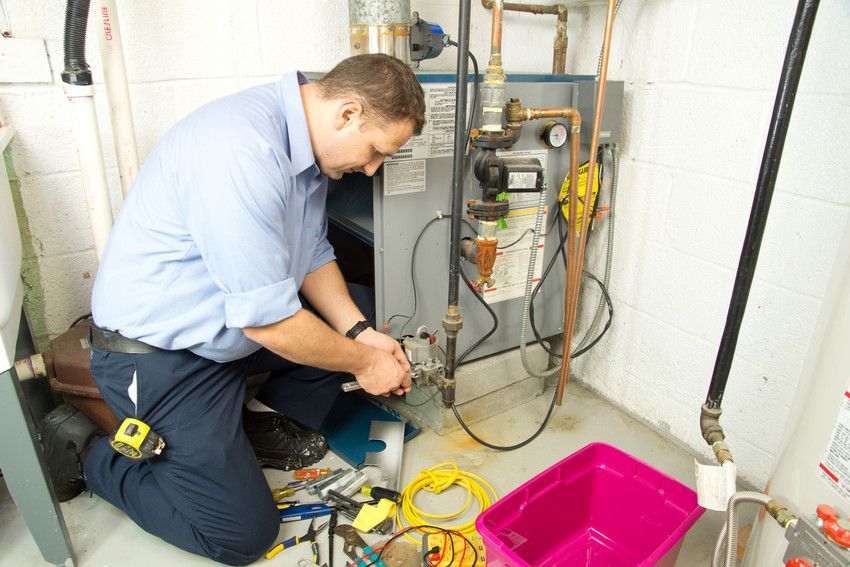
Understanding when to repair or replace your furnace is crucial for maintaining home comfort and efficiency. Homeowners often face the dilemma of choosing between fixing their existing furnace or investing in a new one. In this article, we’ll explore the factors that influence this decision, helping you determine the best course of action for your specific situation.
Assessing the Age and Condition of Your Furnace
Understanding Average Furnace Lifespan
The average lifespan of a furnace significantly influences the decision to repair or replace. According to The Spruce, most furnaces last between 15 to 20 years before needing replacement. As furnaces age, they tend to lose efficiency, leading to higher energy bills and more frequent repairs. Understanding the typical lifespan of your heating system set by the manufacturer can guide your expectations and help decide whether to repair or replace it. Recognizing when your furnace is approaching the end of its useful life is key to preemptive action.
Recognizing Signs of Wear and Tear
Wear and tear on a furnace can manifest in several ways, influencing the decision-making process. Rust, cracks, and corrosion may indicate that the furnace is deteriorating. Frequent cycling, or turning on and off, can also signify underlying issues. As parts become worn, they strain the unit's efficiency, which can lead to a homeowner needing furnace repair services. Observing these signs early can prompt timely decisions to repair small issues before they escalate.
Evaluating Performance Consistency
A consistent performance is critical for maintaining a comfortable home environment. Fluctuations in heat output may suggest wear or faulty components. Inconsistent temperatures throughout the home often indicate a need for either significant repairs or replacement. Regular maintenance checks can help catch performance issues early, minimizing discomfort. Performance issues not only affect comfort but can also escalate operational costs, urging a closer examination.
Analyzing Repair Costs Versus Replacement Costs
Calculating Cumulative Repair Expenses
Cumulative repair costs should be a decisive factor when considering furnace repair versus replacement. If annual repair costs are more than 50% of what it would cost to buy a new furnace, replacement often makes more financial sense. Carefully tracking these expenses over time reveals whether ongoing maintenance or sudden failures are driving costs. As furnaces age, repair costs typically increase, demanding greater scrutiny over financial impact. Rational evaluation of these costs provides clarity and aids decision-making.
Understanding the Cost of Replacement
Replacement costs include much more than just the furnace itself. Homeowners should factor in installation fees, potential upgrades to existing systems, and necessary permits. Assessing the scope of these costs against expected benefits, like improved efficiency, is crucial. Knowing that an old furnace may be taxing on both comfort and finances helps balance initial costs with long-term return on investment. Carefully analyzing replacement costs will provide a comprehensive view of the investment.
Estimating Long-term Financial Impact
Long-term financial impact is an essential component of major household decisions. Energy-efficient furnaces can lead to reduced utility bills, offsetting replacement costs over time. Examining fuel cost savings, potential repair reductions, and lifespan extensions can paint a complete financial picture. This in-depth analysis supports not only current financial capacity but future savings potential. Making informed choices requires balanced estimations of initial expenditures and potential long-term benefits.
Comparing Energy Efficiency and Savings
Energy efficiency directly impacts how much you'll pay each year for heating. Older furnaces generally have lower efficiency ratings, and upgrading to a modern system can yield considerable savings. High-efficiency models also align with increasing energy standards, potentially resulting in fewer emissions. These savings, alongside possible rebates and incentives, make newer systems appealing despite initial outlay. Careful evaluation of efficiency against costs positions homeowners to recognize immediate and future benefits of furnace repair.
Considering Tax Credits and Rebates
Government initiatives often provide financial incentives to adopt energy-efficient systems. Tax credits and rebates can partially offset the high expenditure of purchasing and installing a new furnace. By researching available credits specific to your area, you can reduce your out-of-pocket expenses significantly. These incentives not only make replacements more affordable but also contribute to overall savings through efficiency. Evaluating these fiscal opportunities creates a more accessible pathway to furnace upgrades.
Evaluating Performance Symptoms
Identifying Inconsistent Heating
Inconsistent heating is a key indicator that replacement might be necessary. Uneven temperature distribution within the home points to diminishing furnace capability. Understanding these issues often involves consulting professionals to diagnose the root cause. Many times, inconsistent heating reflects broader system inefficiencies beyond simple repairs. Evaluating symptoms in the context of system age guides the repair-versus-replacement debate.
Dealing with Unusual Noises
Unusual noises from a furnace can signal serious issues requiring immediate attention. Whistling, banging, or groaning sounds often indicate mechanical failures that demand expert review. Persistent noise issues can lead to further degradation and higher repair costs. Ignoring these symptoms could exacerbate existing problems, necessitating more expensive furnace repair. Investigating noise complaints during regular maintenance checks can prevent costly replacements.
Understanding Changes in Energy Bills
Rising energy bills without an increase in usage often signal declining furnace efficiency. An older furnace struggling with performance will consume more energy to provide the same heat output. Analyzing monthly energy expenditures within this framework can reveal discrepancies warranting action. Addressing these changes early can save money and ensure more consistent climate control. Monitoring bill fluctuations provides an insightful metric when considering repair or replacement actions.
Recognizing Frequent Breakdowns
Frequent breakdowns are a clear indication that a furnace may be beyond repair. When reliability becomes an issue and breakdowns happen regularly, replacement might present a more secure option. Not only do breakdowns cause discomfort, but they also contribute heavily to repair expenses. Evaluating reliability alongside repair costs often shows the greater value in a new investment. Consistent performance ensures peace of mind, which is often worth the overall initial expenditure.
Consulting with HVAC Professionals
Choosing a Reputable HVAC Contractor
Selecting the right contractor is essential for successful furnace repair or replacement. A reputable professional provides expertise, ensures installation compliance, and can offer assurance through warranties. Researching reviews and verifying credentials ensures a trustworthy partnership. When selecting contractors, consider those with transparent pricing and proven track records. Ensuring a competent provider increases the likelihood of satisfactory outcomes in work quality and system efficacy.
Discussing Repair Versus Replacement Options
Professionals offer valuable guidance when debating repair versus replacement. They can provide objective analysis on future system viability and potential savings from new models. Discussing options with experts helps clarify cost-benefit scenarios specific to individual circumstances. Professionals often present options that balance immediate needs with long-term goals. This exchange is essential for informed decisions and aligns improvements seamlessly within budget constraints.
Evaluating Service Warranties and Guarantees
Evaluating warranties and guarantees is vital to keeping furnace repair costs low. Warranties for parts and service ensure protection against unforeseen issues. Understanding the scope and limitations of these warranties helps select reliable manufacturers and contractors. Verification of coverage emphasizes sustained performance should issues arise. This assurance through warranty and guarantee analysis supports optimal satisfaction with repair or replacement outcomes.
Deciding whether to pursue
furnace repair or an outright replacement involves a comprehensive evaluation of factors such as age, repair costs, performance, and energy efficiency. By assessing your furnace’s current condition, weighing the long-term benefits of replacement, and consulting with experienced HVAC professionals, you can make an informed decision that ensures comfort, efficiency, and cost savings for your home. Air Products Heating & Cooling provides expert furnace inspections, repairs, and replacement services to help homeowners choose the most effective solution for their heating needs. Whether your system requires a simple repair or a complete upgrade, Air Products Heating & Cooling is committed to delivering reliable service, energy-efficient solutions, and lasting home comfort.