June 16, 2026
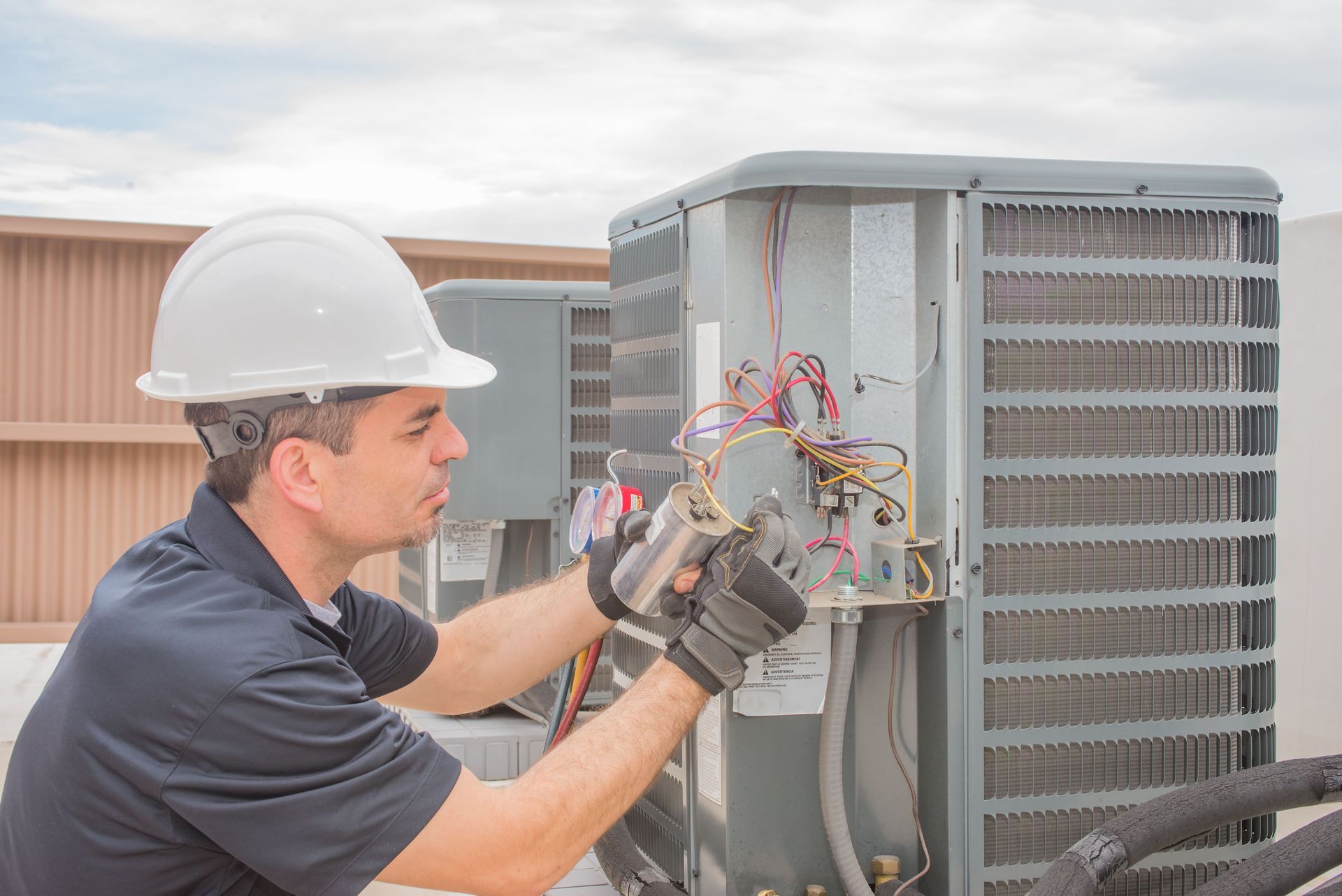
Understanding the signs that signal a need for HVAC repair services can save you from discomfort and costly damages. Heating, Ventilation, and Air Conditioning systems are vital in maintaining indoor comfort, but like any other system, they require regular upkeep and timely repairs. Missing these warning signs can lead to larger issues that could be both uncomfortable and expensive. Regular attention to these signs not only prolongs your HVAC system's life but also ensures it operates efficiently and effectively.
Recognizing Unusual System Noises
High-pitched noises from your HVAC system can be troubling and often indicate specific internal problems. Squealing can result from misaligned or worn-out belts, which might be slipping or rubbing against other metal components. Screeching commonly arises from the motor or faulty bearings, indicating they need lubrication or immediate replacement. Ignoring these sounds could lead to severe motor malfunction, which is far costlier to address than proactive maintenance.
Banging sounds typically occur due to broken components, such as a connecting rod, piston pin, or crankshaft. It can also be a sign that the heavy blower wheel is out of balance. Rattling noises often originate from loose screws, panels, or ductwork and should be addressed before they escalate. Consistent clicking sounds can originate from electrical components, signaling issues with the relay switch that need immediate attention.
Hissing noises usually signify a refrigerant leak or air escaping from the ducts, both of which compromise efficiency. A refrigerant leak prevents the system from cooling effectively and can increase utility bills. Leaks should be sealed and the refrigerant recharged by a professional to restore function. Early detection and professional HVAC repair services can prevent the escalation of these issues and enhance system longevity.
Managing Inconsistent Home Airflow
Experiencing weak airflow from your vents can be particularly frustrating and indicates a blockage or component failure. This issue might be caused by clogged filters, duct obstructions, or wear and tear that reduces the blower's overall efficiency. If left unattended, weak airflow leads to uneven cooling or heating in different areas of the home, placing extra strain on the equipment.
When certain areas of the home are warmer or colder than others, it suggests that airflow is not evenly distributed. This inconsistency can be due to poor insulation, blocked vents, or an inefficient system that needs recalibration. According to HomeGuide, a well-maintained air conditioner usually lasts between 12 and 15 years, but ignoring these airflow issues can significantly shorten that lifespan.
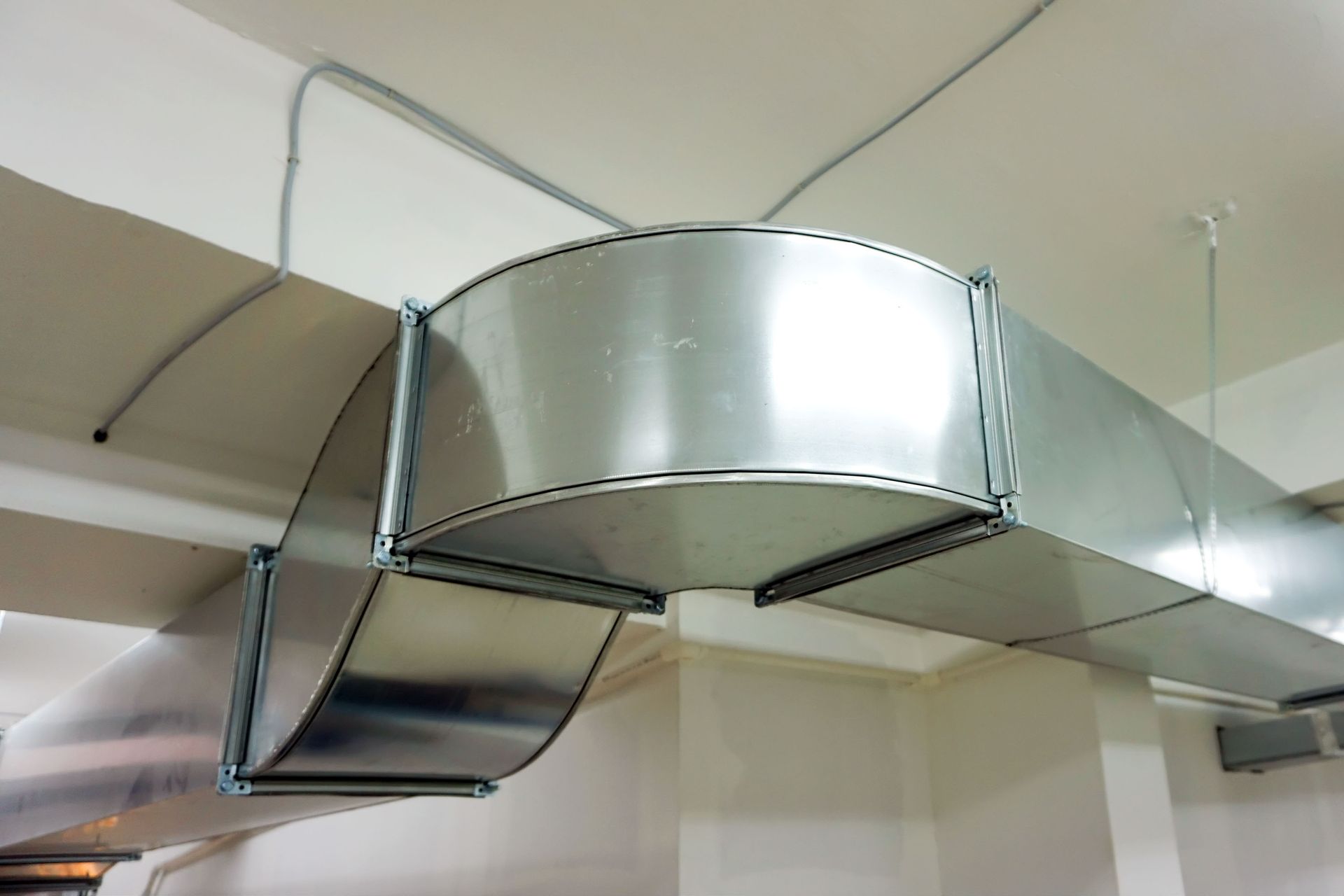
Uneven air pressure and dirty ducts also impede performance, making doors hard to open or creating unwanted drafts. Ducts can collect dust, debris, and mold, leading to poor indoor air quality and breathing problems for occupants. Regular duct cleaning and professional inspections are essential to maintain efficient airflow, protect your health, and support a longer service life for your equipment.
Tracking Unexpected Energy Spikes
A progressive rise in utility bills without a corresponding change in usage patterns is a telltale sign of an inefficient system. Systems that struggle to maintain temperature settings consume more power as they run longer cycles. This inefficiency might stem from multiple factors, including dirty filters, low refrigerant levels, or aging components that require specialized HVAC repair services.
Evaluating current energy bills against previous periods can reveal hidden performance drops. If discrepancies are noticeable, especially when adjusting for seasonal variations, the system likely needs an expert examination. Sudden spikes in energy usage without any obvious cause often link to specific system malfunctions, such as thermostat calibration failures or leaking air ducts.
Old or outdated systems naturally become less efficient over time, manifesting as unexplained high energy costs. While proper upkeep helps components perform well, the structural disadvantages of an aged system eventually provoke higher maintenance expenses. Timely upgrades or targeted repairs offer improved efficiency, lower operational costs, and much better home comfort.
Identifying Unusual System Odors
A musty or moldy odor is frequently a sign of moisture buildup in or around the system, leading to mold growth. Such conditions often arise from improperly drained condensation or leaky ductwork. Mold can circulate spores throughout the home, posing health risks to occupants. It is crucial to address these odors promptly by checking for leaks and ensuring proper ventilation.
The presence of burning smells, especially those resembling electrical or mechanical scents, indicates potential safety hazards. This could be due to overheating components or wiring problems, which can present a serious fire risk. Immediate investigation by a licensed technician is imperative to avoid dangers associated with system malfunctions and to ensure a safe environment.
Chemical-like smells often suggest a refrigerant leak, which destroys cooling efficiency while harming the environment. Additionally, a sulfur or rotten egg smell suggests a dangerous natural gas leak. This requires you to turn off the system immediately and seek emergency professional HVAC repair services. Awareness and responsiveness to these odors protect both the home and its occupants.
Diagnosing Frequent System Cycling
Short cycling, where the system turns on and off frequently, denotes a malfunction that severely strains internal components. It often results from incorrect thermostat settings, clogged filters, or more serious mechanical issues. This pattern disrupts comfort and accelerates wear on system parts, potentially leading to premature equipment failure and the need for HVAC repair services.
Thermostat malfunctions are a major reason behind unusual cycling. Faults in calibration lead to inaccurate temperature readings, causing the system to cycle unnecessarily and consume excess energy. Components can overheat when they become clogged or worn out, forcing the unit to shut down as a protective measure before completing a normal cycle.
Incorrect system sizing can also contribute to frequent cycling patterns. Systems that are too large will rapidly meet desired temperatures and shut down, while those too small will struggle constantly, both leading to increased component wear. Professional electrical inspections can diagnose underlying wiring or relay issues, successfully restoring consistent performance to your home.
Monitoring Indoor Humidity and Air Quality
Another important warning sign that often goes unnoticed is excess humidity inside the home. Your HVAC system is designed to help regulate indoor moisture levels, particularly during warmer months. When rooms begin to feel damp, sticky, or uncomfortable despite the air conditioner running, it may indicate that the system is not operating efficiently. Excess moisture can encourage mold growth, damage wood furnishings, and reduce overall indoor comfort. Professional HVAC repair services can identify whether the issue stems from an oversized unit, restricted airflow, refrigerant problems, or malfunctioning components.
Poor indoor air quality is another indicator that your HVAC system may require attention. Increased dust accumulation on furniture, worsening allergy symptoms, or persistent respiratory irritation can signal that filters, ducts, or other system components need servicing. As HVAC systems age, they can become less effective at filtering airborne contaminants, allowing dust, pollen, pet dander, and other particles to circulate throughout the home.
Routine inspections help identify these issues before they affect occupant comfort and health.
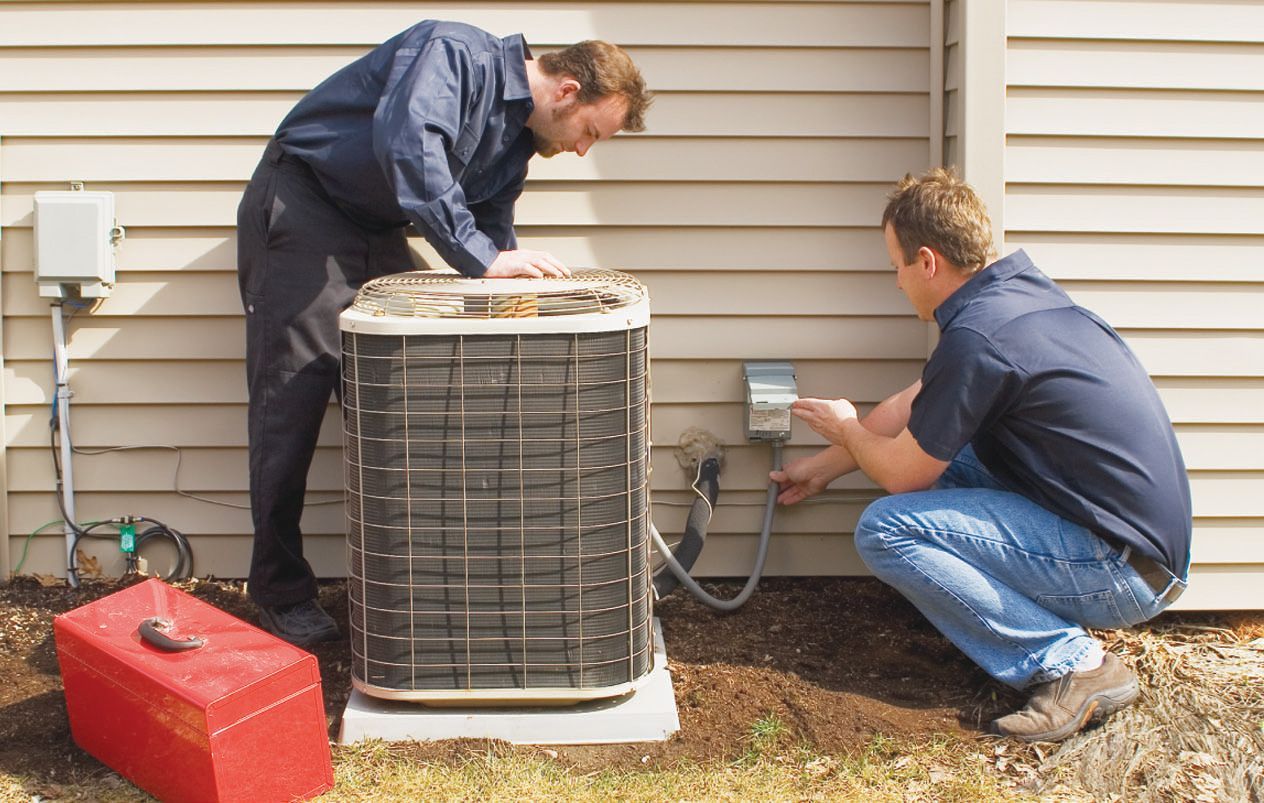
If you have noticed any of these signs in your home, it is time to seek professional HVAC repair services. Prompt attention to these issues can improve system efficiency, enhance comfort, and prevent costly breakdowns in the future. Understanding and recognizing these indicators ensures that your equipment can continue to provide reliable service, keeping your home comfortable throughout the year. For more information about the services that we offer, reach out to our incredible team at Air Products Heating & Cooling today!