June 18, 2026
High-efficiency furnaces represent a significant advancement in heating technology, offering homeowners the ability to reduce their energy consumption while maintaining a comfortable indoor environment. With the advent of advanced HVAC services, these systems can be optimized to operate at peak efficiency, ensuring both cost savings and environmental benefits. Professional maintenance plays a crucial role in this optimization process, as regular service can prevent inefficiencies and extend the lifespan of the furnace. This article explores how integral heating contractors are in optimizing high-efficiency furnaces, the related benefits, and factors to consider when employing these systems.
Understanding High Efficiency Engineering
High-efficiency furnaces distinguish themselves from standard models through their capability to convert a greater percentage of their fuel into usable heat. According to This Old House, high-efficiency furnaces can operate at 90% efficiency or more, which significantly surpasses older models that might only achieve 70% efficiency. The improved efficiency not only reduces energy costs but also minimizes the furnace's environmental footprint. This efficiency is often achieved through advanced technologies like two-stage heating and variable-speed motors, which allow the furnace to adjust its performance based on current heating requirements.
Evaluating Annual Performance Ratings
Efficiency ratings are critical in selecting the right furnace for any household or commercial space. The Annual Fuel Utilization Efficiency rating, depicted as a percentage, indicates how efficiently a furnace converts fuel into heat. High-efficiency models typically boast ratings of 90% or higher, reflecting their ability to optimize fuel use and reduce energy costs. In contrast, older or traditional furnaces may offer ratings ranging between 70% and 80%, leading to higher utility bills and increased environmental impact. By comparing these ratings, consumers can make informed decisions about the financial and ecological benefits of high-efficiency furnaces.
Analyzing Immediate Investment Costs
Investing in a high-efficiency furnace generally entails a higher initial cost compared to standard models due to their complex technology and advanced features. However, this upfront cost can be offset by the long-term savings on energy bills, as these furnaces consume less fuel to produce the same amount of heat. Furthermore, government incentives and rebates can assist in reducing the financial burden of purchasing high-efficiency systems, encouraging more homeowners to make sustainable choices. Over time, the cost savings on utilities, combined with reduced maintenance requirements, can make high-efficiency furnaces a sound investment.
Scheduling Routine Maintenance Services
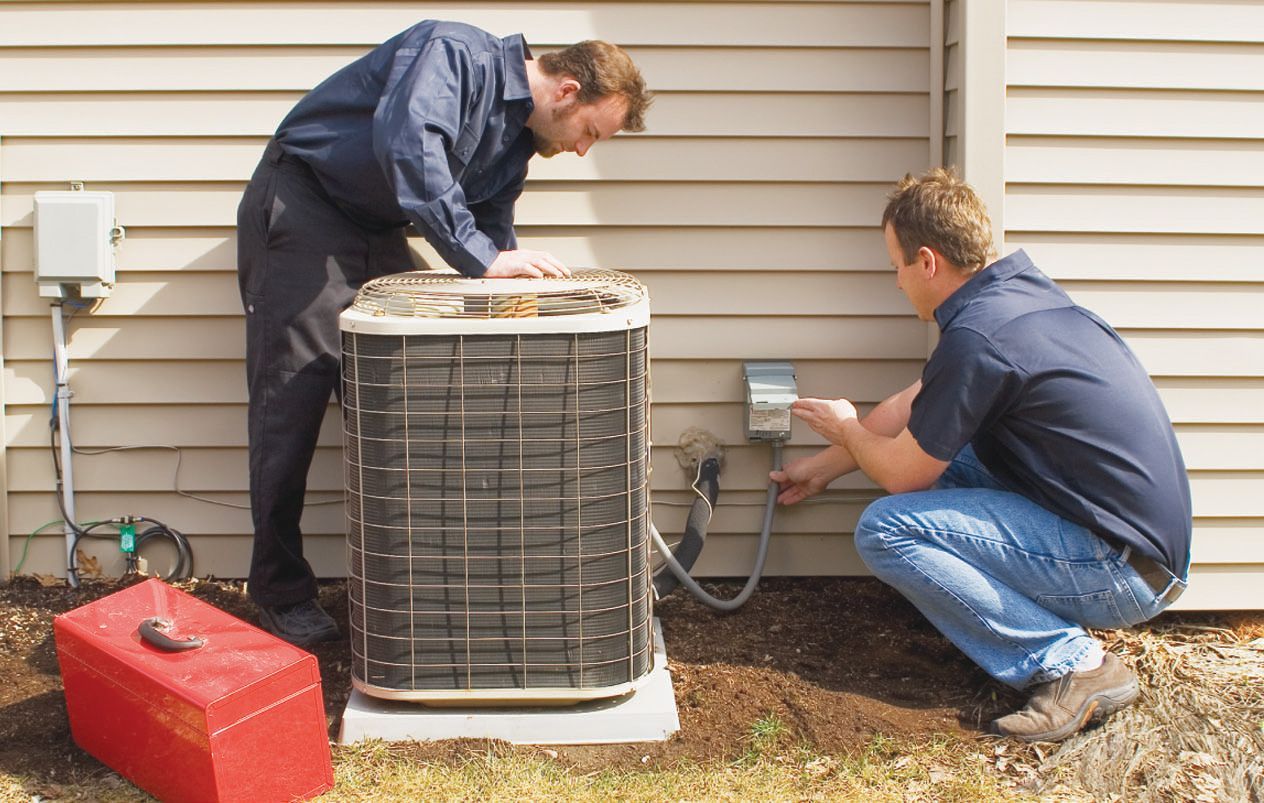
Regular maintenance of high-efficiency furnaces is crucial in ensuring their optimal performance and longevity. Scheduled check-ups can detect any developing issues early, preventing costly repairs or replacements down the line. Skilled heating contractors carry out essential tasks such as cleaning and adjusting components, ensuring that each part functions efficiently. The absence of regular maintenance can lead to reduced efficiency and increased energy consumption, negating the benefits of having a high-efficiency system. By investing in regular maintenance, homeowners can safeguard their furnaces' performance and extend their operational lifespan substantially.
Executing Critical Inspection Steps
Maintenance tasks for high-efficiency furnaces usually include cleaning or replacing air filters, inspecting and cleaning heat exchangers, and adjusting burner assemblies. Technicians also examine and calibrate thermostat controls to ensure accurate temperature regulation, while checking for any air leaks in the ductwork. Regular inspection of the vent systems and air intakes is necessary to ensure clear pathways for exhaust, which is vital for efficient and safe furnace operation. Performing these maintenance tasks prevents the buildup of dirt and debris, which could disrupt airflow and worsen system efficiency. With these services, a qualified technician can ensure that the furnace operates safely and efficiently throughout its lifespan.
Detecting Small Performance Hazards
Identifying potential issues early is a critical component of preventive maintenance for high-efficiency furnaces. Through regular inspections, heating contractors can detect minor issues such as wear and tear on components, which might turn into significant problems if left unaddressed. Early identification allows for timely repairs and adjustments, consequently reducing the risk of sudden breakdowns and heating outages during peak cold conditions. Furthermore, recognizing issues early can extend the overall lifespan of the furnace by preventing excessive strain on its components. This proactive approach not only assures continuous heating performance but can also lead to savings by avoiding costly emergency repairs.
Securing Lasting Household Benefits
Investing in regular maintenance services offers substantial long-term benefits to homeowners. Consistent care enhances system reliability, reducing the chances of unexpected breakdowns and enhancing peace of mind. Moreover, routine maintenance can improve the indoor air quality by ensuring that filters and ductwork are clean, directly benefiting the occupants' health. Over time, well-maintained systems consume less energy, offer better air circulation, and maintain consistent temperatures, which is economically beneficial. By prioritizing maintenance, homeowners not only protect their investment but enhance the overall comfort and safety of their living environment.
Adjusting System Control Settings
Calibration and system adjustments are vital to optimizing furnace performance, ensuring every component operates efficiently and cohesively. Through calibration, heating contractors can correctly set up the control systems, resulting in precise temperature control and improved energy efficiency. Adjustments often involve fine-tuning blower speeds and fuel combustion settings to align with the manufacturer's specifications and current home requirements. Proper calibration enhances the furnace's ability to maintain optimal heating without overexerting itself, thus reducing wear and increasing lifespan. By investing time in calibration and adjustments, homeowners can experience smoother operation and reduced energy consumption.
Balancing Home Airflow Patterns
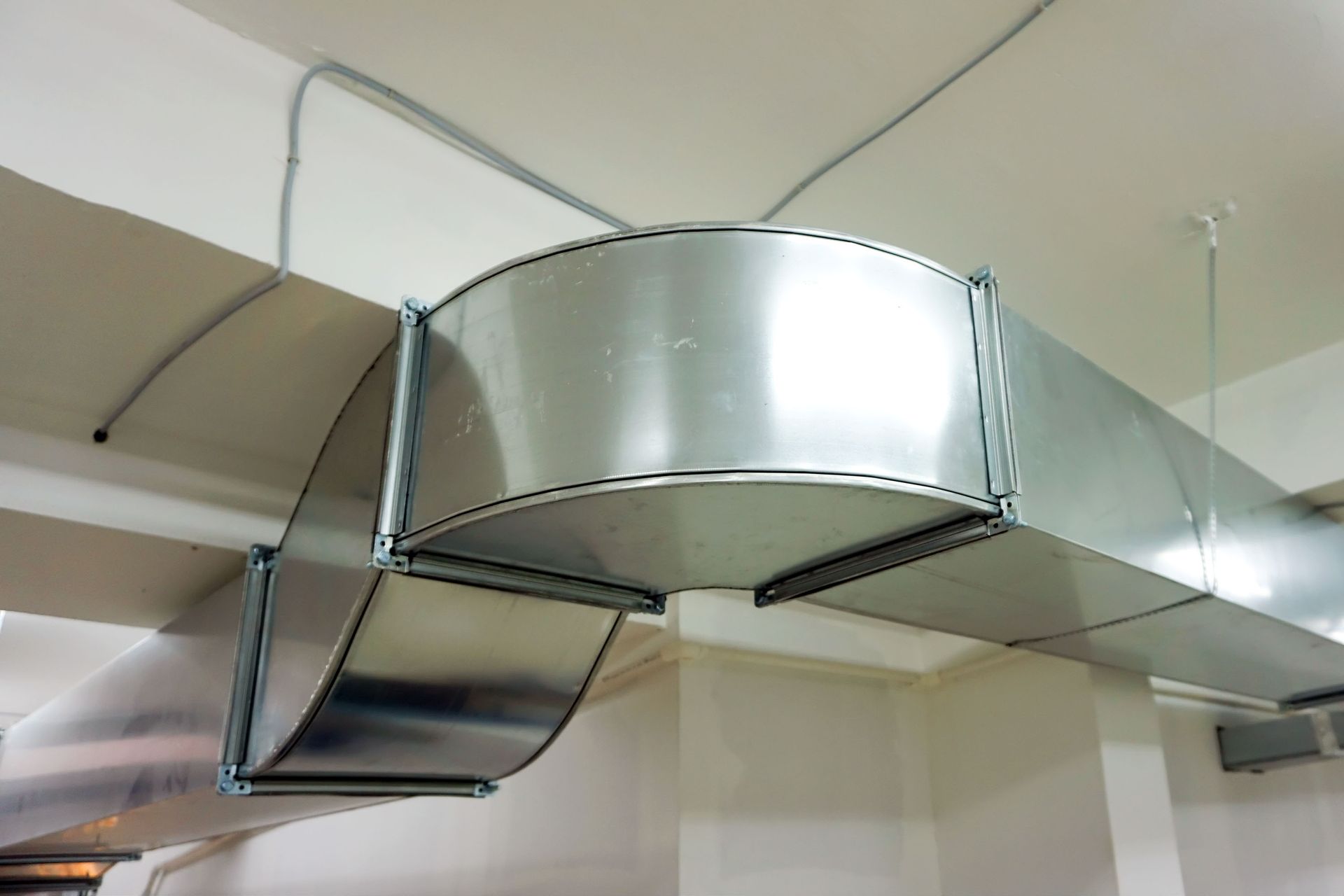
Airflow optimization involves adjusting and balancing the airflow throughout the home, which is crucial for efficient operation of a high-efficiency furnace. Proper airflow ensures that warm air is evenly distributed, reducing cold spots and enhancing overall comfort. Technicians may perform duct inspections and repairs to fix leaks and obstructions, allowing for optimal air passage. They can also adjust damper settings to direct airflow where it is most needed, all of which help in reducing the workload on the furnace. By optimizing airflow, the furnace operates more efficiently, saves energy, and reduces operational wear.
Embracing Smart Zoning Solutions
To truly unlock the potential of a high-efficiency furnace, integrating a smart zoning system is a highly effective next step. Zoning involves dividing a home into distinct heating areas, each controlled by its own thermostat and automated duct dampers. Instead of overheating an entire house to warm a single room, a zoned system directs heated air precisely where and when it is needed most.
When paired with the variable-speed motors of modern, high-efficiency furnaces, smart zoning allows the system to operate at lower, more energy-efficient capacities for longer intervals. This targeted approach prevents energy waste in unoccupied rooms, dramatically slashes monthly utility costs, and eliminates frustrating hot or cold spots. Consulting with an HVAC specialist to design a customized zoning layout ensures that your cutting-edge heating system delivers the exact blend of personalized comfort and maximized cost savings it was engineered to provide.
Service contracts and warranties are critical components of selecting a service provider, offering essential protections and peace of mind. A comprehensive service contract typically outlines the frequency and scope of maintenance visits, detailing the specific tasks and checks to be performed on the furnace. Warranties provide coverage for parts and labor, safeguarding against unexpected expenses related to system malfunctions or defects. Before committing, consumers should carefully review these documents to ensure they align with their expectations and needs, paying close attention to any exclusions or conditions that might affect coverage. For exceptional assistance with system tuning, repairs, or seasonal maintenance checks, residents can count on Air Products Heating & Cooling.